Retail intelligence a simple guide to smarter shopping

Retail intelligence is the process of analyzing data on store operations and customer behavior. Retail businesses use these insights for smarter decisions. These decisions aim to improve the shopping experience for every customer. The Esl Retail sector, which uses an ESL Gateway AP to manage each ESL Price Tag and Electronic Shelf Labels, is one area showing significant growth. The market's expansion reflects this trend.
| Metric | Value |
|---|---|
| Market Size (2025) | USD 4.676 billion |
| Market Size (2035) | USD 18.29 billion |
| CAGR (2025-2035) | 14.61% |
What Is Retail Intelligence? A Simple Definition
Retail intelligence transforms raw data into a strategic advantage. It provides a deep understanding of business operations far beyond simple daily reports. This process helps companies see the complete picture of their performance. The core objective is to create a seamless and satisfying experience for every person who walks through the door or visits a website.
More Than Just Sales Numbers
Many people think business analysis is only about tracking sales. However, modern retail business intelligence offers a much broader perspective. It moves past historical reporting to embrace real-time analytics and predictive insights. This evolution allows retail businesses to be proactive instead of reactive. The difference between traditional methods and the modern approach is significant.
| Feature | Traditional Business Intelligence | Modern Retail Intelligence |
|---|---|---|
| Data Basis | Historical reporting | Real-time data and predictive analytics |
| Technology | Manual spreadsheets, static data | AI, machine learning, diverse data sources |
| Data Access | Delayed | Real-time |
| Insights | Based on past trends | AI-driven, detects patterns, predicts trends |
| Decision Making | Experience and intuition | Hard data and instant insights |
| View of Business | Retrospective | Comprehensive and up-to-date |
This advanced approach creates a holistic view by connecting different parts of the business. It analyzes more than just total sales. It examines:
- Omnichannel Performance: It ensures consistent pricing and product availability across online and in-store channels. This closes blind spots between digital and physical retail operations.
- Consumer Behavior: It uncovers how customers move between product categories. This insight helps create effective promotions and product bundles.
- Inventory Optimization: It provides a clear view of inventory movement. Retailers using these analytics report an average 14.2% reduction in operational costs and 23% better inventory turnover.
- Market Trends: It helps anticipate shifts in demand by tracking performance across regions and incorporating external factors like weather or economic data.
Ultimately, retail business intelligence gives companies a distinct competitive advantage. Over 62% of retailers report that using analytics enables proactive planning backed by solid evidence. This data-driven strategy replaces guesswork with clarity, leading to smarter decisions about everything from advertising to total sales.
The Goal: A Better Shopping Trip
All this data collection and analysis has one primary goal: making your shopping trip better. Retail intelligence is the engine that powers a more convenient, personalized, and efficient experience. It directly addresses common frustrations and enhances the entire customer journey.
Note: The aim is to move from a one-size-fits-all model to a hyper-individualized journey. Each customer interaction helps the system learn and adapt, creating a shopping experience that feels uniquely tailored.
Here are a few ways this benefits you:
- Enhanced Personalization: Predictive analytics use your purchase history and browsing behavior to offer tailored product recommendations and relevant discounts. An AI-powered assistant might offer a special discount on an item you left in your online cart.
- Improved Convenience: Smart inventory management ensures popular products are always in stock. AI forecasting tools analyze historical sales data and local trends to predict demand, so shelves are full when you arrive.
- Smarter Product Discovery: Visual search tools allow you to find similar products just by taking a photo. Conversational AI lets you ask for items in natural language and receive instant suggestions, reviews, and help with checkout.
The next time you find exactly what you need, enjoy a personalized offer, or breeze through a short checkout line, you are seeing the positive impact of retail intelligence at work.
The Role of Data in Retail Business Intelligence
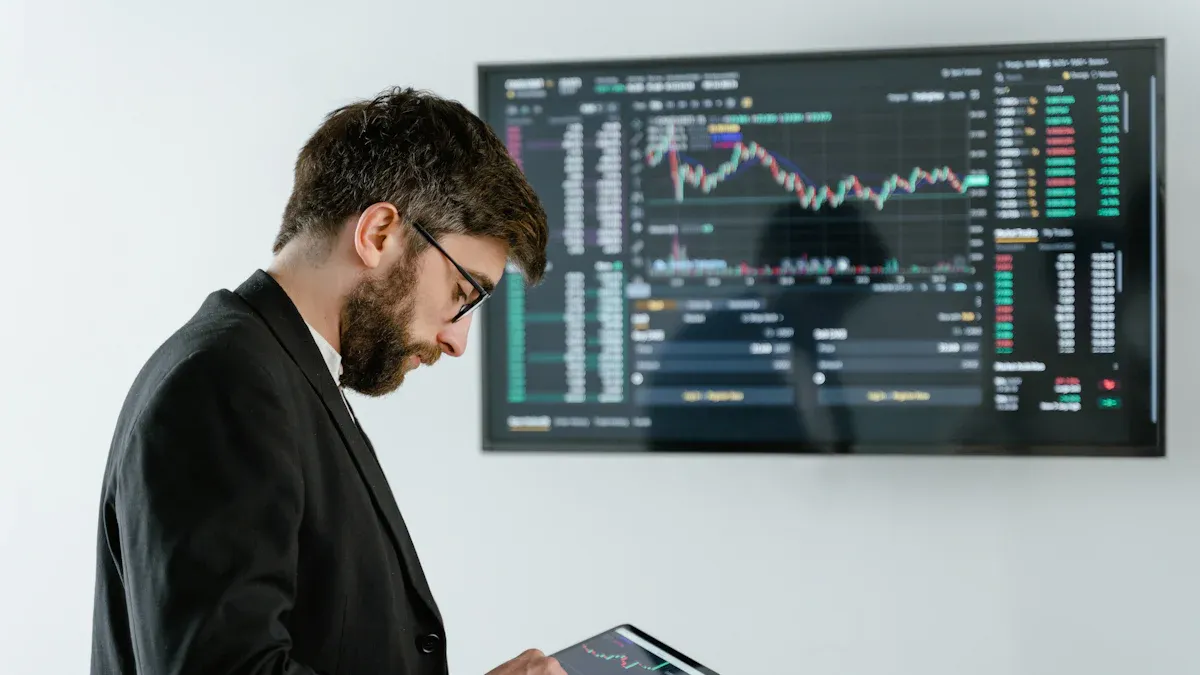
Data is the foundational element of modern retail business intelligence. Retailers gather vast amounts of information from multiple sources. This data provides the raw material for analysis, which ultimately drives smarter business decisions. The goal is to understand every facet of the business, from individual transactions to broad market trends.
What Kind of Data is Collected?
Effective retail business intelligence integrates several key data categories. Each type offers a unique perspective on performance and customer interactions. This comprehensive approach allows a retail company to build a complete operational picture.
Sales and Transaction Data
This is the most fundamental data. It includes information captured at the point of sale, such as items purchased, transaction value, and payment method. Retailers also track metrics like gross margins and total sales revenue to measure financial health.
Customer Behavior Data
This category moves beyond simple transactions to understand shopper motivations. It connects identity information with descriptive data to reveal patterns. Key data points include:
- Identity and Demographics: Basic information like name, age, and location for personalized marketing.
- Purchase History: The frequency of spending and types of products bought help identify loyal shoppers.
- Behavioral Patterns: Website visits, email opens, and in-store paths show how a customer interacts with the brand.
Store Operations Data
This data focuses on the efficiency of the physical retail environment. It covers supply chain logistics, inventory levels, and staffing schedules. Analyzing this information helps optimize store layouts and ensure staff are available during peak hours.
Product Performance Data
Retailers closely monitor how individual products perform. This includes tracking units sold, identifying the most profitable items, and analyzing the success of past promotions. This data is crucial for making merchandising decisions.
How Data Becomes Insight
Raw data alone has little value. The transformation of this information into actionable insights is where retail intelligence creates a competitive advantage. This process involves using analytics to uncover patterns and make predictions.
Identifying Patterns and Trends
Descriptive analytics provides a clear view of past performance. By applying analytical techniques, retailers can identify significant trends. For example, market basket analysis reveals which products are frequently bought together, informing cross-selling strategies. This analysis helps businesses understand what happened and why, forming the basis for future decisions.
Predicting Future Customer Needs
Predictive analytics uses historical data to forecast future outcomes. This powerful capability allows a retail business to anticipate demand, manage inventory, and prevent stockouts. By analyzing past behavior, algorithms can predict which customers are at risk of churning. These insights enable proactive decisions, helping a company meet customer needs before they even arise.
How Does Retail Intelligence Work?
Retail intelligence transforms raw information into a strategic roadmap through a structured, three-step process. This system allows a retail business to understand its environment and make smarter decisions. The journey begins with gathering information and ends with actionable improvements that enhance the shopping experience.
Step 1: Data Collection Methods
The first step is to gather comprehensive data from every customer touchpoint. Modern retail business intelligence relies on multiple sources to build a complete picture.
Point of Sale (POS) Systems
Every transaction at the checkout counter is a valuable piece of data. POS systems are the primary source for sales information, tracking what was bought, when, and for how much. This data is fundamental for financial analysis.
In-Store Sensors and Cameras
Physical retail stores use technology to understand shopper behavior. AI-powered systems can analyze foot traffic patterns and product interactions. This technology provides insights similar to what online stores gather, revealing how people navigate the physical space.
Customer Feedback and Surveys
Direct feedback is invaluable. Retailers collect this information through post-purchase surveys or in-store feedback systems. This qualitative data offers context for quantitative metrics, explaining the "why" behind customer actions.
Website and App Analytics
Online stores provide a rich source of behavioral data. Analytics tools track every click, search, and page view. This information helps retailers understand online preferences and personalize the digital experience.
Step 2: Data Analysis and Processing
Raw data is messy and requires refinement to become useful. This step turns disorganized information into clear insights.
Cleaning and Organizing Information
Data from different sources must be cleaned and standardized. Specialized platforms, like SPS Commerce Analytics, validate and harmonize information to ensure accuracy. This crucial process prepares the data for effective analysis.
Using Analytics Tools
Retailers use powerful software to find patterns. Tools like Tableau and Adobe Analytics create visualizations and dashboards. These platforms help analysts identify trends and understand complex relationships within the data, forming the basis for strategic decisions.
Step 3: Turning Insights into Action
The final step is to apply the findings to real-world operations. This is where retail business intelligence delivers its true value.
Note: The goal is to create a cycle of continuous improvement. Insights lead to actions, which generate new data, refining future decisions.
Making Data-Driven Decisions
Insights from analytics guide strategic choices. For example, Walmart used predictive analytics to discover that sales of strawberry Pop-Tarts increased before hurricanes. This discovery led to data-driven decisions about pre-stocking specific items, optimizing their supply chain for emergency events.
Testing and Refining Strategies
Strategies are not static. A small clothing shop used simple sensors to track foot traffic and fitting room usage. The insights led them to adjust marketing and product placement. These changes resulted in a 15% rise in foot traffic and a 10% increase in purchase conversion, demonstrating how testing and refining decisions leads to measurable growth.
Key Components of Modern Retail Intelligence
Modern retail intelligence is built on three core pillars. These components work together, turning raw data into a powerful strategy. They analyze customer behavior, streamline store operations, and maximize product performance.
Customer Behavior Analytics
This area focuses on understanding the customer journey. It moves beyond what people buy to explore why they buy it. Analytics provide deep insights into shopper motivations and actions.
Shopper Path Analysis
This technique maps the physical routes shoppers take through a store. By analyzing foot traffic, a retail business can identify popular zones and dead spots. Optimizing a store layout based on this data can increase impulse sales by nearly 30%, turning a casual stroll into a purchase.
Dwell Time Measurement
Dwell time measures how long shoppers spend in specific areas or looking at certain products. High dwell time can indicate strong interest. This information helps retailers place high-margin items in engagement hotspots to improve sales.
Conversion Rate Optimization
The ultimate goal is to convert a browser into a buyer. By analyzing spending habits, retailers can create highly effective marketing. For example, Australian retailer Myer used customer data to segment shoppers. This led to a 2x uplift in sales by targeting potential luxury buyers and reactivating lapsing customers.
In-Store Operations Analytics
Effective operations create a smooth and efficient shopping environment. In-store analytics help a retail business optimize everything from staffing to checkout, directly impacting the customer experience.
Staffing and Allocation
Guesswork in scheduling is a thing of the past. AI-powered systems now forecast customer traffic using historical sales data and even weather patterns.
Major U.S. retailers use these tools to ensure optimal staffing during peak hours. This data-driven approach reduces costs and improves employee satisfaction, with some retailers seeing a 15% reduction in turnover.
Checkout Queue Management
Long lines are a major cause of lost sales. Modern queue management uses sensors and analytics to predict wait times and open new lanes proactively. This prevents bottlenecks, reduces abandonment, and protects revenue.
Store Layout Optimization
A well-designed store guides shoppers naturally toward products they might like. This involves placing related items together and ensuring popular products are easily accessible. An optimized layout improves traffic flow and supports efficient inventory management.
Sales and Product Performance
This component analyzes sales data to make smarter decisions about inventory and promotions. It ensures the right products are available at the right time.
Best-Seller Identification
Identifying top-performing products is fundamental. This information drives inventory management decisions, ensuring that popular items are always in stock to meet demand and maximize sales.
Market Basket Analysis
This technique uncovers which products are frequently bought together. A classic example is the discovery that diapers and beer were often purchased in the same transaction. This knowledge helps retailers:
- Place complementary items near each other to encourage cross-selling.
- Create effective product bundles.
- Develop targeted promotions to optimize inventory.
Promotion and Discount Impact
Measuring a promotion's success requires a deep look at the data. Retailers analyze the impact on sales by accounting for hidden costs like cannibalization, where a discounted item's sales reduce the sales of a full-priced product. This ensures marketing efforts provide a true return on investment and helps manage inventory effectively.
How Retail Intelligence Benefits You, The Shopper
While retail intelligence is a powerful tool for businesses, its ultimate goal is to improve your experience. The data and analytics work behind the scenes to create a shopping journey that is more personal, convenient, and efficient. Every improvement, from a helpful product suggestion to a shorter wait time, is a direct result of this technology.
A More Personalized Experience
Modern retail aims to treat you as an individual, not just another face in the crowd. By understanding your preferences, stores can move away from a one-size-fits-all approach and create experiences that feel uniquely tailored to you.
Tailored Recommendations
Have you ever felt like a store just gets you? That is the power of tailored recommendations. Retailers like Amazon use a dynamic recommendation engine that analyzes your browsing history, past purchases, and the behavior of similar shoppers. This system uses complex algorithms to suggest products you are highly likely to be interested in.
Similarly, many online stores use your first-party data to personalize suggestions. This includes:
- Your browsing and purchase history
- Items you have searched for on the site
This even extends to the physical retail store. Associates can use POS devices to access a unified customer profile, allowing them to offer helpful, in-person recommendations based on your past interactions with the brand.
Relevant Promotions and Deals
Personalization also means receiving offers that are actually useful. Instead of generic mailers, retailers can send you discounts on products you frequently buy or have shown interest in. This strategy is a direct response to shopper demand.
A significant majority, 90% of shoppers, desire more personalized communications than they currently receive.
In fact, 71% of customers now anticipate personalized experiences. This approach is most effective when it is built on trust; 69% of shoppers value personalization when it is based on data they have willingly shared. This creates a win-win scenario where you receive valuable deals and the retailer builds a stronger relationship with you.
Improved Store Environment
Retail intelligence also transforms the physical store itself. Data helps create a space that is more intuitive to navigate and better stocked with the products you want.
Logical Product Placement
A well-organized store makes shopping faster and more enjoyable. Data collection provides deep insights into consumer decision-making. By analyzing how shoppers move through a store, which products they are drawn to, and what they buy together, retailers can optimize the layout. A well-placed product increases its visibility and appeal, improving your ability to find what you need. Retailers gather this data through methods like:
- In-store feedback kiosks asking if a product was easy to find.
- Mobile polls delivered via QR codes in specific aisles.
- Bluetooth beacons that create heatmaps of shopper flow with user consent.
Better Product Availability
There is nothing more frustrating than finding an empty shelf where your favorite product should be. Predictive analytics help prevent this by forecasting demand. By analyzing historical sales data, current trends, and even external factors like local events, retailers can ensure popular items are always in stock. This means better product availability and a more reliable shopping trip for you.
Faster, More Efficient Service
Your time is valuable. A key benefit of retail intelligence is its ability to streamline operations and reduce friction at the most common pain points, like the checkout.
Shorter Checkout Lines
Waiting in line is a major source of shopper frustration. Modern retail technology directly tackles this problem. AI-powered systems can dramatically reduce wait times and improve efficiency.
| Technology | Potential Impact |
|---|---|
| AI Vision Scales | Can reduce queue times by up to 70% |
| Scan-and-Go Systems | Can lead to a 60%+ reduction in labor hours |
These technologies create a faster, more seamless checkout process, getting you on your way with minimal delay.
More Staff During Peak Hours
Predictive analytics also ensure that help is available when you need it most. AI systems can forecast when a store will be busiest by analyzing everything from historical traffic to upcoming weather. This allows managers to reallocate staff proactively.
A major retail chain achieved double-digit improvements in checkout sentiment by using predictive alerts to staff more effectively during peak times.
AI can predict when checkout lines will grow, when shelves will need restocking, and when more employees are needed on the floor. This data-driven approach ensures proper staff coverage, enhancing service quality and making your visit smoother.
Real-World Examples of Retail Intelligence in Action
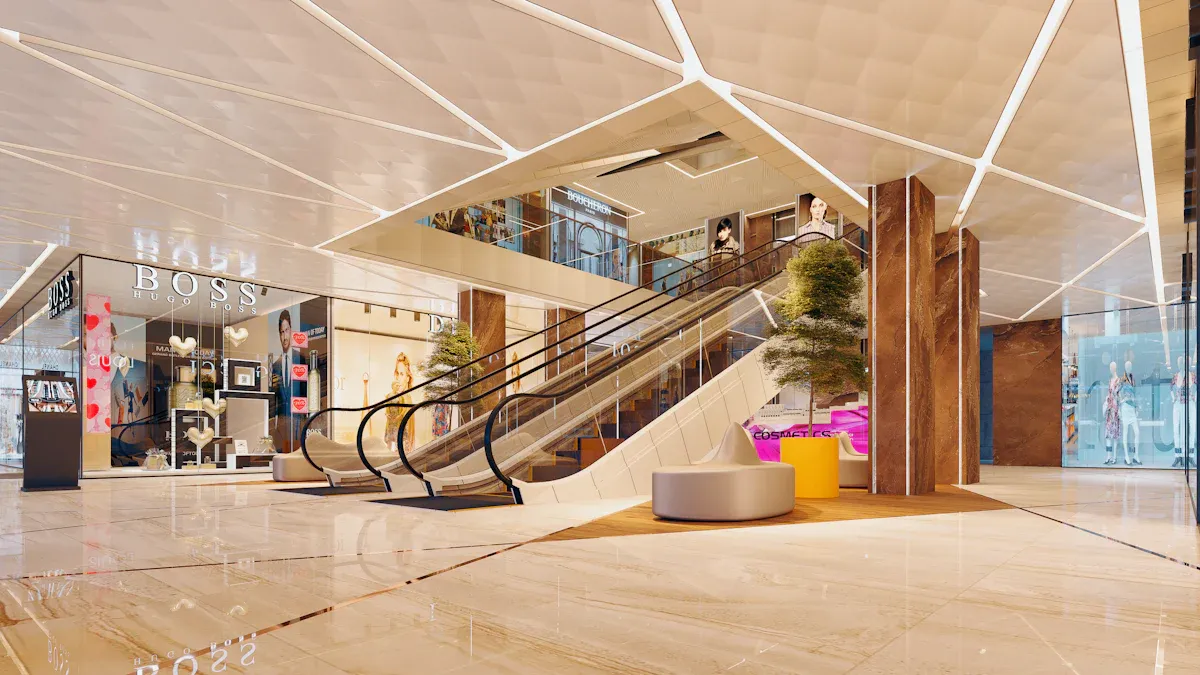
Retail intelligence is not just a concept; it is actively reshaping the stores you visit every day. From the grocery aisle to the fitting room, data is creating smarter, more responsive shopping environments. Here are a few examples of this technology at work across different retail sectors.
The Smart Supermarket
Supermarkets use data to manage their vast inventory and improve your shopping trip. These stores analyze information to make dynamic changes that benefit both the business and the customer.
Dynamic Pricing on Digital Shelves
Digital shelf labels allow supermarkets to implement dynamic pricing. This strategy uses real-time analytics to adjust prices based on demand and inventory levels.
- Items nearing their expiration date can be automatically discounted. This encourages quick sales and reduces food waste.
- Prices can respond to supply fluctuations, ensuring fair value for customers.
This approach helps stores optimize inventory and gives shoppers access to great deals.
Aisle Traffic Heatmaps
Supermarkets analyze customer foot traffic to create heatmaps of the store. These maps show which aisles are most popular and where shoppers spend the most time. This information allows the retail business to make strategic decisions about product placement, placing high-margin items in high-visibility areas to boost sales.
The Modern Fashion Store
Fast fashion brands rely on speed and trend-responsiveness. Data analytics are essential for their success, particularly in the area of inventory management.
Interactive Fitting Rooms
Modern fitting rooms can feature interactive mirrors. These screens can suggest complementary items, request different sizes, and offer styling tips, creating a seamless and engaging customer experience.
RFID Tags for Inventory Tracking
Leading retail brands like Zara and H&M have integrated Radio Frequency Identification (RFID) technology. Tiny tags are attached to each garment, giving the company real-time visibility of its entire inventory. This technology is a cornerstone of modern inventory management. It allows staff to track products from the warehouse to the sales floor, ensuring popular items are restocked quickly. For a fast-fashion model, this precise inventory tracking is critical to optimize inventory and respond instantly to sales trends.
The Convenient Big-Box Retailer
Large retail stores like Walmart and Target use data to enhance convenience and operational efficiency. They analyze massive datasets to improve services like curbside pickup.
Optimizing Curbside Pickup
Curbside pickup became a dominant service, and data helps perfect it. Retailers analyze purchase histories and browsing patterns to anticipate demand. This ensures products are ready for pickup, reducing wait times. Walmart, a leader in this area, uses its data to streamline the entire process, from order fulfillment to final delivery, ensuring a smooth customer journey and efficient inventory management.
Staffing Based on Weather Forecasts
Big-box retailers also use predictive analytics to forecast store traffic. By incorporating external data like weather forecasts, they can predict busy periods with greater accuracy. This allows them to schedule more staff during anticipated rushes, ensuring checkout lanes are open and help is available when you need it.
The Future of Retail and Your Privacy
The landscape of retail is evolving rapidly, driven by technological advancements and a growing focus on data privacy. The future promises an even smarter shopping experience, but it also raises important questions about how your information is used and protected.
Emerging Technologies
New technologies are the engine of modern retail intelligence. They are creating more efficient and personalized environments by leveraging data in innovative ways.
The Role of Artificial Intelligence (AI)
Artificial Intelligence is at the heart of this transformation. AI models are becoming essential for demand forecasting, which helps eliminate stock shortages and automate purchase orders for better inventory management. Retailers also use computer vision for loss prevention and shelf analytics to ensure products are always available. These AI-driven insights enable real-time decision-making, allowing a business to respond instantly to market changes.
Hyper-Personalization
Shoppers now expect personalized interactions. In fact, 71% of consumers anticipate that brands will deliver personalized experiences. AI-powered analytics make this possible by examining your past purchase history and browsing behavior. This allows a retail company to generate tailored product recommendations and special offers, which can increase revenue by up to 15%.
Frictionless Checkout Systems
The checkout process is being completely reimagined. Frictionless systems, powered by computer vision and smart shelves, allow you to simply walk out of a store with your items. Sensors automatically detect what you take, charge your account, and update the store's inventory. This technology offers ultimate convenience and provides retailers with perfect, real-time inventory data.
Addressing Data Privacy Concerns
As data collection becomes more sophisticated, protecting your privacy is paramount. Retailers must balance personalization with a strong commitment to data security.
How Retailers Use Data Anonymously
To perform analysis while protecting privacy, retailers use several anonymization techniques. These methods remove or obscure personally identifiable information from data sets before they are used for analytics. This allows them to study trends without compromising individual identities.
| Method | Description |
|---|---|
| Generalization | Reducing data detail, such as replacing an exact age with an age range (e.g., 30-35). |
| Pseudonymization | Replacing direct identifiers like a name with a unique, coded ID. |
| Data Aggregation | Grouping individual data into summary statistics, like total sales per region. |
Your Rights as a Consumer
Privacy laws like Europe's GDPR and California's CCPA give you significant control over your personal data. These regulations are not static; they are dynamic frameworks that require continuous monitoring from every retail business.
These laws establish your rights, including the "right to be forgotten," which allows you to request that a company delete your personal information. This ensures that as a customer, you have the final say in how your data is managed.
Retail intelligence is the invisible engine making modern retail better. It transforms raw data into powerful insights, fueling smarter business decisions. Retailers use these strategic decisions to create stores that respond directly to your needs. These data-driven decisions deliver the personalization that 75% of shoppers value, enhancing customer loyalty.
The next time you enjoy a quick checkout or find exactly what you need, you are seeing the positive impact of these decisions at work.
FAQ
💡 What is retail intelligence in simple terms?
Retail intelligence is the process of analyzing data on store operations and customer behavior. Retailers use these insights to make smarter business decisions. The primary goal is to improve the shopping experience for you.
🛒 How does retail intelligence benefit me as a shopper?
It creates a better shopping trip through:
- Personalized recommendations and deals
- Shorter checkout lines
- Improved product availability
This makes your experience more convenient and efficient.
🔒 Is my personal data safe?
Yes. Retailers use anonymization techniques to protect your privacy. This process removes personal identifiers from data before analysis. Laws like GDPR and CCPA also give you significant control over your information.
What kind of data do retailers collect?
Retailers gather several types of data. This includes sales transactions from POS systems, customer behavior patterns online and in-store, and operational data like inventory levels and staff schedules.
What is an example of retail intelligence in action?
Supermarkets use it to create aisle traffic heatmaps, which helps optimize store layouts. Fashion stores like Zara use RFID tags for precise, real-time inventory tracking, ensuring popular items are always in stock.
What is the difference between retail intelligence and just tracking sales?
Tracking sales is retrospective. Retail intelligence is proactive. It uses real-time data and AI to predict future trends, optimize operations, and understand the "why" behind customer actions, not just what happened.
See Also
Page Not Found: Navigating The Digital Abyss Of Broken Links