What Is Retail Customer Engagement in 2026?

Retail customer engagement in 2026 is the ongoing, value-driven relationship between a retailer and a customer. This engagement builds through consistent, meaningful interactions across all channels. Research shows 76% of customers now expect personalized service. The modern customer experience has evolved far beyond simple transactions.
It now encompasses emotional connection, community building, and proactive, data-informed service. This shift is evident as loyalty program usage increased by 28% in 2024 alone. Esl Retail technology, from the ESL Gateway AP managing each ESL Price Tag to Electronic Shelf Labels, helps create this seamless experience. Strong customer engagement in retail is essential.
What Are the Core Pillars of Modern Customer Engagement?
The landscape of retail customer engagement in 2026 rests on several foundational pillars. These pillars move beyond transactional relationships. They focus on creating value, fostering connection, and building a resilient brand. Retailers who master these core concepts will define the future of the industry.
Hyper-Personalization at Scale
Modern customers expect brands to understand their individual needs. Generic, one-size-fits-all marketing no longer drives meaningful engagement. True personalization leverages data to treat each customer as an individual, creating a unique and relevant journey. This approach is critical for retention.
- 90% of consumers are more likely to shop with retailers that offer personalized experiences.
- 76% of consumers are more likely to return to a retailer that provides this level of personalization.
- Tailored loyalty rewards can increase customer retention by up to 30%.
AI-Driven Recommendations
Artificial intelligence is the engine behind scalable personalization. AI algorithms analyze vast datasets, including purchase history, browsing behavior, and even real-time interactions. This analysis allows a retail brand to predict what a customer wants before they even search for it. The system then presents relevant product recommendations on a website, in an email, or through a mobile app, making the shopping experience feel intuitive and helpful.
Individualized Content and Offers
Beyond product suggestions, hyper-personalization extends to all content and promotions. A retailer can send a unique discount code for a previously viewed item. It can also display website banners that reflect a customer's known interests. This strategy turns potential friction points, like an abandoned cart, into new opportunities for engagement. Leading retailers are already demonstrating the powerful return on this strategy.
| Retailer | Strategy | Key Results |
|---|---|---|
| Retail Giant | Implemented an agentic CRM for a unified customer view and used predictive analytics for automated outreach. | 25% increase in sales; 15% increase in average order value; 30% increase in customer satisfaction. |
| 24S | Launched personalized campaigns using AI-powered recommendations to address friction points like out-of-stock items. | 35% increase in purchase conversion rate; 7% increase in add-to-cart rate. |
| Erewhon | Adopted a new platform for cross-channel campaign orchestration, personalizing messages based on loyalty status and behavior. | 20% lift in mobile order engagement; ~2X increase in active user volume. |
Seamless Omnichannel Consistency
Today's customer journey is not linear. A customer might discover a product on social media, research it on a laptop, and purchase it in a physical store. A seamless omnichannel strategy ensures the brand experience is consistent and connected across every single one of these touchpoints.
The Unified Brand Experience
Consistency builds trust. Customers seek predictability in their interactions with a brand. When messaging, branding, and service quality are uniform across an app, website, and physical store, it reinforces reliability. Inconsistent experiences create confusion and doubt, directly damaging a customer's perception of the brand. This consistency reassures them that they can rely on the business, strengthening their trust and loyalty.
Bridging In-Store and Online
The most successful retailers have erased the line between their physical and digital channels. They use technology to create one fluid shopping journey. This integration makes the overall customer experience more convenient and engaging.
- Sephora integrates its Beauty Insider program across all platforms. A customer can scan an item in-store to read online reviews or access their "Beauty Bag" to view past purchases and rewards.
- Crate & Barrel saves a user's shopping cart and browsing data across devices. This allows a customer to start shopping on their phone and finish on a desktop, leading to a 10% revenue increase.
- Walgreens uses its mobile app to streamline the in-store experience. Customers can manage prescriptions and order products for rapid pickup at their nearest location.
- Starbucks drives engagement through its app, which manages rewards, enables mobile ordering, and even integrates with Spotify to show what music is playing in-store.
Immersive and Interactive Experiences
Passive shopping is a thing of the past. By 2026, leading retailers will use immersive technologies to create memorable, hands-on brand interactions. These technologies capture attention and provide genuine utility, transforming the shopping experience from a task into an event.
The global immersive marketing market, which includes AR and VR, is projected to grow from USD 11.66 billion in 2026 to USD 89.45 billion by 2034. This demonstrates a massive industry shift toward interactive brand engagement.
Augmented Reality (AR) in Retail
Augmented reality overlays digital information onto the physical world, and its applications in retail are expanding rapidly. Brands like IKEA allow customers to use their phone's camera to virtually place furniture in their own homes with 98% accuracy. Beauty companies like Sephora offer virtual try-on tools that let a customer see how makeup looks without applying it. This technology removes purchasing barriers and creates a fun, futuristic interaction.
Interactive In-Store Technology
Technology is also making physical stores more dynamic and responsive. Retailers are installing interactive displays and smart technologies to blend digital convenience with the tangible nature of in-person shopping.
- Adidas uses interactive showcases and AR experiences in its flagship stores to highlight product features.
- Levi's and Nordstrom have introduced smart fitting rooms with AI-powered mirrors that can suggest different sizes or complementary items.
- PacSun created an AR-centered storefront display in its New York flagship, turning the window into an immersive visual experience.
Brand-Led Community Building
Top retailers in 2026 understand that customers want to belong, not just buy. Brand-led community building transforms the transactional customer relationship into one based on shared identity and values. Online brand communities directly influence purchasing decisions and build lasting customer loyalty. When a customer has a positive information, entertainment, or interactive experience within a community, they develop a stronger connection to the brand itself. This sense of belonging turns a passive audience into a dedicated customer base, creating authentic endorsements that are often more powerful than traditional advertising.
Next-Generation Loyalty Programs
Modern loyalty programs have evolved far beyond a simple "buy ten, get one free" model. They now function as hubs for community engagement, rewarding members for their interaction and participation, not just their spending. This strategy creates a feeling of exclusivity and deepens the customer's connection to the brand's lifestyle.
- Lululemon's Program offers members exclusive access to fitness classes, community events, and partner rewards, reinforcing its identity as a wellness-focused brand.
- Nike's Membership Program incentivizes activity by rewarding members for sharing workouts or joining fitness challenges, building a community around motivation and movement.
- Sephora's Beauty Insider Program uses customer data to provide highly personalized gifts and early access to new products, making members feel seen and valued.
Fostering User-Generated Content
User-generated content (UGC) is the currency of a thriving brand community. It serves as powerful social proof, showcasing real people using and loving a brand's products. Successful retailers actively encourage and feature this content, making the brand feel more accessible and authentic. For example, Sephora's Beauty Insider Community includes a gallery where users share looks and inspiration, while Nike frequently highlights the stories of everyday athletes.
Another key strategy is the use of brand ambassadors.
- Lululemon's Ambassador Program partners with local yoga instructors and fitness trainers who host events and embody the brand's active lifestyle.
- Sephora leverages beauty influencers who create tutorials and reviews, lending credibility and expertise to the brand's offerings.
These approaches build trust and amplify the brand's reach through voices the community already follows and respects.
Proactive and Predictive Service
The best customer service is the kind a customer never needs to ask for. Proactive and predictive service uses data and technology to anticipate needs and resolve issues before they escalate. This forward-thinking approach is a cornerstone of modern retail customer engagement. A Helplama survey found that 83% of consumers want companies to self-diagnose issues and contact them proactively. This shift from a reactive to a predictive model is critical for reducing churn and building trust.
AI-Powered Customer Support
Artificial intelligence is the engine of proactive support. AI-powered chatbots can handle routine inquiries 24/7, providing instant answers to common questions about order status, store hours, or return policies. This frees up human support agents to focus on more complex and emotionally nuanced customer issues. More importantly, AI systems can analyze customer behavior data to flag potential problems, such as a user struggling with a feature on the mobile app, and trigger a helpful pop-up or email with a tutorial.
Anticipating Customer Needs
Predictive analytics allows a retail brand to understand what a customer might do next. By analyzing past purchases, browsing history, and support interactions, retailers can identify customers at risk of churning, predict future purchases, and personalize offers with incredible accuracy. Failing to act on these insights can be costly.
"Only 1 in 26 customers will complain about a problem they encounter with your product or service. The rest will simply stop buying from you, and look for a better solution elsewhere." – CX Today
Leading retailers are already using predictive tools to enhance the customer experience and prevent silent churn. This proactive engagement makes customers feel understood and valued, significantly boosting satisfaction.
| Retailer | Predictive Analytics Application |
|---|---|
| Amazon | Predicts customers at risk of churning and sends personalized retention offers. |
| Sephora | Uses customer profiles to provide tailored product recommendations during in-store consultations. |
| Starbucks | Optimizes pricing on digital menu boards in real-time based on customer behavior and demand. |
| Auchan | Recommends products in-store based on items a customer scans with their phone. |
Why Is Strong Retail Customer Engagement Non-Negotiable?
An excellent customer experience is no longer a luxury; it is a core business requirement. In the competitive retail landscape of 2026, strong retail customer engagement is the primary driver of sustainable growth and profitability. Retailers who prioritize building meaningful relationships over making simple transactions will not only survive but thrive. Investing in engagement is not an expense—it is a direct investment in the long-term health of the brand.
It Drives Customer Lifetime Value (CLV)
Engaged customers are valuable customers. Customer Lifetime Value (CLV) measures the total revenue a business can expect from a single customer account. A focus on engagement directly increases this critical metric by fostering loyalty and encouraging higher spending over time.
Encouraging Repeat Purchases
A positive and consistent experience brings customers back. When a retailer understands a customer's needs and provides personalized value, it builds trust and makes them less likely to switch to a competitor. This focus on retention is highly profitable.
- A mere 5% increase in customer retention can boost profits by 25% to 95%.
- Businesses with mature customer success programs report a 25% higher customer lifetime value.
- Omnichannel strategies, which are key to modern engagement, result in a 30% higher retention rate compared to single-channel approaches.
Increasing Average Order Value
Effective engagement strategies also encourage customers to spend more per transaction. Personalized recommendations and a deep understanding of customer preferences allow retailers to upsell and cross-sell relevant products seamlessly. When a customer feels understood, they are more receptive to suggestions. Companies that excel at personalization can generate 40% more revenue than their less-attentive competitors, proving that a tailored experience directly impacts the bottom line.
It Builds Unshakeable Brand Loyalty
In a market saturated with choices, loyalty is the ultimate currency. Strong customer engagement transforms one-time buyers into lifelong fans who are emotionally connected to the brand. This level of customer loyalty is difficult for competitors to disrupt.
Turning Customers into Advocates
The most powerful form of marketing is a recommendation from a trusted source. Highly engaged customers become brand advocates who willingly share their positive experiences with friends, family, and social networks. They write positive reviews, share user-generated content, and defend the brand, creating a powerful and authentic marketing engine that operates at a minimal cost. This advocacy builds a strong community around the brand.
Creating Lasting Emotional Connections
Loyalty is built on more than just good products; it is built on emotion. When a retailer consistently delivers personalized, proactive, and memorable interactions, it creates a genuine connection. A customer feels valued and understood, not just like another number in a sales report. This emotional bond is the foundation of true loyalty, making the relationship resilient to price wars or temporary service issues.
It Creates a Sustainable Competitive Edge
In 2026, competing on price or product features alone is a losing battle. A superior customer experience has become the key differentiator that sets successful retailers apart from the rest.
Differentiating Beyond Price and Product
Any competitor can copy a product or match a price. However, replicating a deeply integrated, personalized, and emotionally resonant customer experience is far more difficult. This strategic advantage is built on a foundation of unified data, advanced technology, and a customer-centric culture. It becomes a core part of the brand's identity. Key differentiators include:
- Personalization: Remembering customer history to create a feeling of being valued.
- Transparency: Building trust through clear communication and proactive updates.
- Technology Integration: Using platforms that ensure every interaction is cohesive and informed.
Thriving in the Experience Economy
Modern consumers buy experiences, not just products. They are willing to pay more for a brand that offers convenience, personalization, and a sense of community. Experience-driven businesses grow revenue 1.4 times faster and increase CLV 1.6 times more than their competitors. Companies that master the art of customer engagement are perfectly positioned to thrive in this new economy.
| Company | Customer Experience Differentiation |
|---|---|
| Zappos | Builds emotional connections through legendary service, including a 365-day return policy and empowered support staff. |
| Starbucks | Creates a consistent, personalized "third place" experience, enhanced by its powerful mobile app and rewards program. |
| Chewy | Provides exceptional, compassionate service for pet owners, including fast shipping and personalized touches like handwritten cards. |
| Apple | Delivers a seamless and intuitive user experience across all products, supported by the high-quality assistance at its Genius Bars. |
It Unlocks Actionable Customer Data
Strong retail customer engagement creates a powerful feedback loop. Every interaction a customer has with a brand generates valuable data. This information is not just a byproduct of sales; it is a strategic asset. Retailers who effectively capture and analyze this data gain a profound understanding of their audience. This insight allows them to make smarter decisions, anticipate market shifts, and build a more resilient business model.
Fueling the Business Insight Engine
Each customer engagement is a source of business intelligence. A click, a search query, a product review, or a loyalty scan provides a clue about customer preferences and behavior. This continuous stream of data fuels the insight engine that drives the entire retail operation. Businesses can use aggregated data to monitor campaign performance and identify broad trends. For example, an analytics dashboard can track metrics like return on ad spend (ROAS) and conversion rates, allowing a company to refine its strategy by focusing on top-performing products and audiences. This approach provides critical insights without compromising individual customer privacy.
"In the next two to three years, consumer data will be the most important differentiator. Whoever is able to unlock the reams of data and strategically use it will win."
This data-driven approach moves decision-making from guesswork to informed strategy, giving the business a significant competitive advantage.
Continuously Refining the Customer Journey
Actionable data is essential for optimizing the retail customer journey. By analyzing interaction patterns, retailers can identify friction points, such as a confusing checkout process or a poorly performing app feature. This allows them to make targeted improvements that enhance the overall customer experience. However, this process requires a deep commitment to ethical data handling. Building trust is paramount for long-term engagement. Retailers must adopt a "privacy by design" philosophy to protect customer information. Key principles include:
- Leverage Zero-Party Data: Collect information that customers willingly provide through surveys, account reviews, and loyalty programs, always clarifying the benefits of sharing.
- Practice Data Minimization: Adhere to strict principles by collecting only the information necessary for a specific, stated purpose.
- Communicate with Transparency: Use straightforward language to explain what data is collected and why, and provide clear opt-in and opt-out options.
- Implement Robust Security: Build strong security measures from the start to protect customer data and continuously assess risks.
By embedding these practices into their operations, retailers can refine the journey and personalize the experience while respecting privacy, which strengthens customer loyalty.
How to Build a Strategy for Customer Engagement in Retail
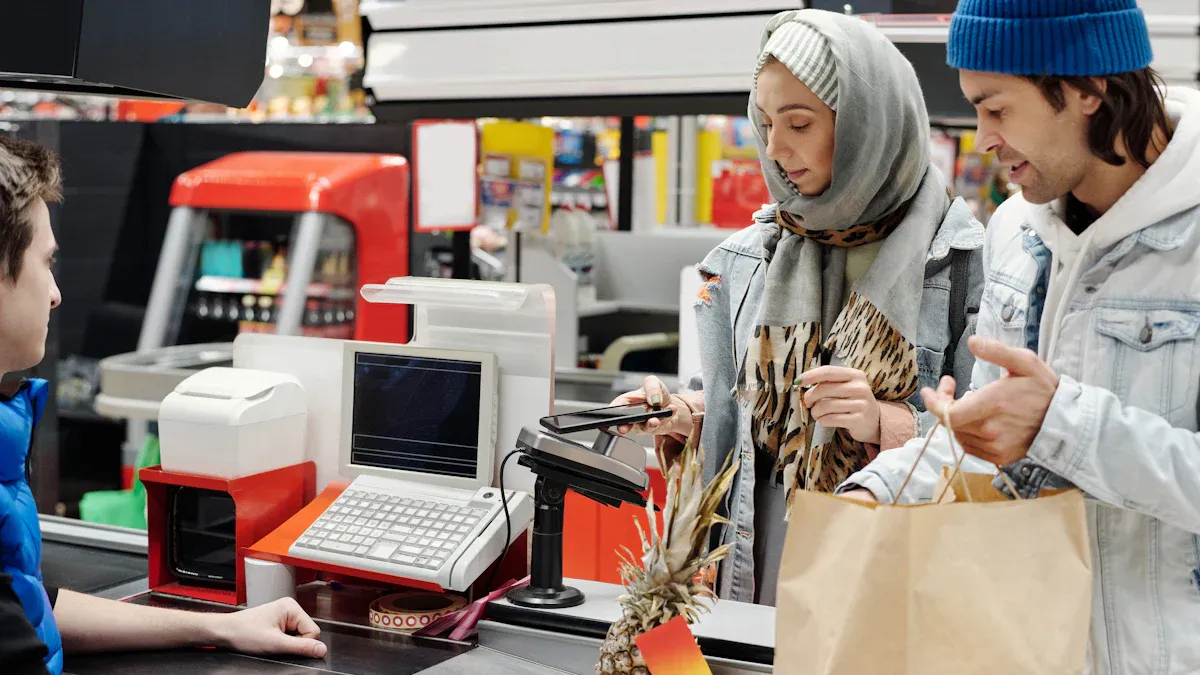
Building a successful customer engagement strategy requires a deliberate, multi-faceted approach. It is not a single initiative but a fundamental shift in how a retail business operates. The strategy must be built on a solid data foundation, powered by intelligent technology, and executed flawlessly across all customer touchpoints. This section outlines the essential steps for creating a powerful plan for customer engagement in retail.
Unify Your Data with a CDP
A modern retail customer engagement strategy begins and ends with data. Customers leave a trail of information with every interaction, from website clicks to in-store purchases. Without a central system to collect and organize this data, it remains fragmented and unusable. A Customer Data Platform (CDP) solves this problem by creating a single, unified view of each customer.
Invest in a Customer Data Platform
A CDP is a strategic investment, not just a software purchase. While the initial cost can range from $4,000 to $12,500 per month, the returns are substantial. Businesses using a CDP report impressive results that directly impact the bottom line.
- 93% of companies see a reduction in customer acquisition costs.
- 90% experience enhanced customer loyalty.
- 89% report an increase in online sales.
- They achieve 9.1 times greater annual growth in customer satisfaction compared to those without one.
These platforms pay for themselves by enabling the deep personalization and proactive service that drive long-term value.
Break Down Internal Data Silos
The primary function of a CDP is to break down internal data silos. Information from a company's CRM, e-commerce site, mobile app, and physical stores often exists in isolation. A CDP ingests data from all these sources to create a "golden customer record"—a single, comprehensive profile for every individual. A successful implementation follows a clear roadmap.
- Validate Business Needs: Clearly define the goals for the CDP, such as reducing churn or increasing loyalty.
- Conduct Data Discovery: Identify all available data sources and understand how they can be ingested.
- Map the Data: Structure the data within the CDP to align with specific business use cases.
- Define the Ecosystem: Determine which systems will feed data into the CDP and which will use it for activation (e.g., email, paid media).
- Manage Identity: Establish rules to correctly stitch together customer identities from different sources using key identifiers like email or phone number.
This process ensures the data is clean, accurate, and ready to power a superior customer experience.
Leverage AI and Machine Learning
With a unified data foundation in place, retailers can leverage artificial intelligence (AI) and machine learning (ML) to unlock its true potential. These technologies transform raw data into actionable insights, automating personalization at a scale that is impossible to achieve manually. This intelligent automation is key to meaningful customer engagement.
Automate Personalized Marketing
AI algorithms analyze customer profiles to deliver truly individualized marketing. They go beyond simple purchase history, considering browsing behavior and real-time actions to predict intent. This enables a retail brand to automate a wide range of personalized communications.
AI-powered chatbots can guide shoppers with tailored recommendations, while automated systems can send personalized emails or SMS messages based on recent product searches. This level of personalization makes every interaction feel relevant and helpful.
Major retailers like Amazon and Walmart use AI for everything from predictive demand forecasting to dynamic pricing, creating a highly responsive and individualized shopping experience.
Implement Predictive Analytics
Predictive analytics uses historical and real-time data to forecast future outcomes. For retailers, this is a powerful tool for optimizing both inventory and marketing spend. By analyzing sales data, weather patterns, and social media trends, businesses can make smarter decisions.
Retailers using predictive analytics have reported up to a 30% reduction in both overstock and stockouts. This has a direct impact on profitability.
| Benefit Area | Impact of Predictive Analytics |
|---|---|
| Inventory Management | Aligns stock with actual demand, reducing storage costs and losses from obsolete products. |
| Supply Chain | Optimizes logistics and lowers operational expenses. |
| Customer Satisfaction | Ensures the right products are on the shelves, leading to repeat business and stronger loyalty. |
| Marketing Spend | Identifies high-value customer segments for targeted campaigns, increasing ROI. |
This forward-looking approach helps a business anticipate customer needs and allocate resources more effectively, driving both efficiency and engagement.
Integrate Physical and Digital Channels
The modern customer journey flows seamlessly between online and offline worlds. A successful engagement strategy must therefore erase the boundaries between physical and digital channels. The goal is to create one cohesive and convenient shopping experience, regardless of how the customer chooses to interact with the brand.
Master BOPIS and Curbside Pickup
Buy Online, Pickup In-Store (BOPIS) and curbside services are no longer optional perks; they are core expectations. Mastering these services requires careful planning and execution. Best practices include:
- Provide Clear Communication: Keep the customer informed at every step with automated order status updates. Use clear in-store signage to direct them to dedicated pickup locations.
- Establish Dedicated Processes: Allocate and train specific staff members for picking and delivering orders. This ensures accuracy and minimizes customer wait times.
- Invest in Integrated Technology: Use an inventory management system that provides real-time visibility across all channels. This prevents out-of-stock frustrations and ensures a smooth process from click to collection.
- Collect Customer Feedback: Use post-purchase surveys to gather insights and continuously refine the pickup experience.
Use QR Codes and NFC Tags In-Store
Simple technologies like QR codes and Near Field Communication (NFC) tags are powerful tools for merging the physical and digital realms. They act as digital gateways, enriching the in-store experience with online information and functionality. Retailers can use them to:
- Offer Exclusive Discounts: A customer can scan a QR code on a product tag to receive an instant mobile-only coupon.
- Provide Deeper Product Information: An NFC tag on a display can allow a shopper to tap their phone to watch a product demo video.
- Check Inventory in Real-Time: Scanning a code can let a customer see if a different size or color is available in that store or at a nearby location.
- Enable Faster Payments: NFC technology powers touchless checkout, allowing shoppers to pay with a simple tap of their device.
These small points of interaction add layers of convenience and engagement, making the physical store a more dynamic and interactive environment.
Empower Your Frontline Employees
Technology and data are powerful, but the human element remains the heart of retail. Frontline employees are the face of the brand. Their knowledge, confidence, and enthusiasm directly shape the customer experience. Empowering these teams is not just an HR initiative; it is a core component of any successful retail customer engagement strategy. A business that invests in its people invests in its growth.
Provide Mobile Tools and Training
In the fast-paced retail environment, traditional, lengthy training sessions are no longer effective. Modern retailers must equip their staff with the tools and knowledge they need to succeed on the go. This means providing flexible, mobile-friendly training that fits seamlessly into their workflow. Over 60% of deskless workers believe additional training would connect them more deeply to their company's mission.
Effective training programs deliver a consistent learning experience that can be deployed and updated quickly. Key features of modern training platforms include:
- Impactful Microlearning: Bite-sized modules, often 3-5 minutes long, allow employees to learn about new products or sales techniques during quiet moments on the sales floor.
- On-Demand Content: Video and interactive content give staff the ability to develop skills anytime, anywhere, ensuring consistent knowledge across the team.
- Personalized Learning Paths: AI-powered platforms like Axonify can create hyper-personalized training based on an individual's progress and performance, strengthening engagement.
- Real-Time Analytics: Managers can track learner progress to identify knowledge gaps and provide targeted support.
While 75% of frontline workers use technology in their roles, only 40% are satisfied with the tools provided. Investing in intuitive mobile tools and on-demand training is critical for improving operational efficiency and boosting employee morale.
Turn Staff into Brand Ambassadors
An empowered, well-informed employee naturally becomes a brand ambassador. They do more than just process transactions; they build relationships, share brand values, and create memorable interactions. This transformation has a direct impact on sales and loyalty. 65% of companies with formal ambassador strategies report increased brand recognition.
When staff members are confident in their product knowledge and aligned with the company's mission, their engagement with a customer becomes more authentic and influential.
- Influencing Purchase Decisions: Face-to-face conversations and tailored recommendations build trust. A knowledgeable employee can turn a customer's uncertainty into a confident purchase.
- Building Trust: Product demonstrations are highly effective. They allow a customer to experience a product firsthand, which addresses concerns and solidifies their intent to buy.
- Extending Brand Reach: An excited customer often shares their positive experience, generating powerful word-of-mouth marketing that extends the brand's reach far beyond the store.
Turning staff into advocates creates a positive feedback loop. Employees feel valued, customers receive superior service, and the retail brand builds a reputation for excellence.
Key Technologies That Power Retail Customer Engagement
A successful retail customer engagement strategy relies on a sophisticated technology stack. These tools work together to collect data, generate insights, and deliver the seamless, personalized interactions that modern shoppers expect. Understanding these core technologies is essential for any retail business aiming to build lasting customer relationships.
Artificial Intelligence (AI) and Machine Learning (ML)
Artificial intelligence and machine learning are the engines that drive intelligent automation in retail. They analyze vast amounts of data to predict behavior and personalize the customer journey at scale.
Personalization Engines
Personalization engines are AI-driven systems that create tailored experiences for each user. They analyze a customer's browsing history, past purchases, and real-time behavior. The engine then delivers relevant product recommendations and content. This level of personalization makes the shopping experience feel more intuitive and helpful, boosting engagement.
AI-Powered Chatbots
AI-powered chatbots provide instant, 24/7 customer support. They can answer common questions about order status, return policies, or store hours. This frees up human agents to handle more complex issues. Advanced chatbots can also guide a customer through a purchase, offering suggestions and creating a conversational shopping experience.
Customer Data Platforms (CDPs)
A Customer Data Platform is the foundational technology for modern customer engagement. It acts as a central hub for all customer data, creating a single source of truth for the entire organization.
Creating a Single Customer View
CDPs ingest data from multiple sources, including e-commerce sites, mobile apps, point-of-sale systems, and marketing tools. The platform then cleans and unifies this information to create a comprehensive profile for every individual. This "single customer view" is critical for understanding the complete journey.
Enabling Real-Time Data Activation
A CDP does more than just store data; it makes that data actionable in real time. The unified profiles feed into other systems, such as email marketing platforms or advertising networks. This allows a retail brand to deliver a consistent and relevant message to a customer across every touchpoint, enhancing the overall experience.
Augmented Reality (AR) and Virtual Reality (VR)
Immersive technologies like AR and VR are transforming the retail landscape by blending the digital and physical worlds. They create memorable and interactive brand moments that drive deeper engagement.
Virtual Try-On Solutions
Augmented reality enables virtual try-on solutions. A customer can use their smartphone camera to see how a piece of furniture would look in their living room or how a shade of lipstick appears on their face. This technology removes purchase friction and builds buying confidence.
Enhanced In-Store Product Information
AR also enhances the in-store environment. Shoppers can point their phone at a product to access additional information, such as reviews, video tutorials, or available color options. This enriches the physical shopping journey with the depth of online content.
Internet of Things (IoT)
The Internet of Things (IoT) connects everyday physical objects to the internet, creating a network of smart devices that collect and exchange data. In retail, IoT technology transforms physical stores into intelligent, responsive environments. These connected devices provide real-time data that helps businesses optimize operations and create a more dynamic shopping experience for customers.
Smart Shelving and Inventory Management
Smart shelves are a key application of IoT in a retail setting. These shelves use weight sensors and RFID tags to monitor inventory levels automatically. When stock for a particular item runs low, the system can trigger an alert for staff to restock or even place an automated reorder with suppliers.
This technology is a game-changer for operational efficiency. It virtually eliminates the problem of out-of-stock items, which is a major source of customer frustration.
By ensuring products are always available, smart shelving directly improves customer satisfaction. The data collected also provides valuable insights into which products are most popular and how quickly they sell, helping retailers make smarter merchandising decisions.
In-Store Beacons and Geofencing
Beacons and geofencing are location-based technologies that bridge the gap between a retailer's mobile app and its physical store. Beacons are small, low-energy Bluetooth devices placed throughout a store. Geofencing creates a virtual perimeter around a location. When a customer with the store's app enters this area, these technologies can trigger specific actions on their smartphone. This capability opens up new avenues for personalized retail customer engagement.
Retailers use this technology to:
- Send a personalized welcome message when a shopper enters the store.
- Push a relevant coupon or promotion when a customer lingers in a specific department.
- Provide indoor navigation to help shoppers find items on their list.
- Offer a seamless checkout process by detecting when a customer is near the exit.
These timely and context-aware interactions make the in-store journey feel more personal, helpful, and interactive.
How to Measure the ROI of Your Engagement Efforts
Investing in customer engagement strategies is essential, but proving their value requires a clear measurement framework. Retailers must track a combination of quantitative metrics and qualitative feedback to understand the true return on investment (ROI). This data-driven approach allows a business to refine its strategy and demonstrate the direct link between a positive customer experience and business growth.
Track Key Performance Indicators (KPIs)
Key Performance Indicators (KPIs) offer a high-level snapshot of the health of a retail customer engagement strategy. These metrics quantify loyalty and satisfaction, providing clear benchmarks for success.
Customer Lifetime Value (CLV)
CLV estimates the total revenue a business can expect from a single customer relationship over time. An increasing CLV is a strong indicator that engagement efforts are successfully fostering long-term loyalty and encouraging repeat purchases.
Net Promoter Score (NPS)
NPS measures customer loyalty by asking how likely a customer is to recommend the brand. The average score for the retail sector is 41, but top-quartile organizations achieve an NPS of +72 or higher. Tracking this score shows how well the brand is turning satisfied shoppers into active promoters.
Customer Satisfaction (CSAT)
CSAT directly assesses how well a business meets customer expectations after a specific interaction. This metric provides immediate feedback on the quality of the service and product experience, serving as a leading indicator of overall satisfaction.
Analyze Customer Behavior Metrics
Behavioral metrics reveal how customers are interacting with a brand across different channels. Analyzing these patterns provides granular insights into the effectiveness of specific engagement tactics.
Purchase Frequency and Recency
This metric tracks how often a customer makes a purchase. A higher purchase frequency indicates strong loyalty and successful engagement. Analyzing this data helps a retail business identify its most valuable and active customers.
Channel Interaction Rates
A successful omnichannel strategy requires analyzing customer interactions across all touchpoints. Retailers should measure:
- Time spent on specific website pages.
- Shopping cart abandonment rates.
- Use of guest checkout versus account creation.
- Engagement with mobile app features.
This analysis helps identify friction points and opportunities for a smoother journey.
Loyalty Program Engagement
The participation rate and activity within a loyalty program are direct measures of a brand's most dedicated customer base. Tracking redemptions, reward usage, and exclusive content access shows how well the program is fostering a sense of community and value.
Monitor Customer Sentiment and Feedback
Numbers alone do not tell the whole story. Monitoring what customers say and feel provides the "why" behind the data, offering deep insights into their perceptions of the brand.
Social Media Listening Tools
Tools like Sprout Social and Brandwatch allow retailers to track brand mentions and analyze sentiment in real time. This technology helps a business understand public perception, identify emerging issues, and spy on competitors' strategies.
Before selecting a tool, a business must first define its objectives. This ensures the chosen platform has the right features for monitoring brand reputation or gaining product insights.
Analysis of Reviews and Surveys
Structured feedback from reviews and surveys is a goldmine of information. Using advanced Natural Language Processing (NLP) tools, a business can analyze unstructured text to detect specific emotions like joy or anger. This analysis uncovers the sentiment toward specific product features or service interactions, providing actionable feedback for improvement.
In summary, retail customer engagement in 2026 is an integrated strategy, blending technology with a human-centric approach. This focus on customer engagement is essential for growth. The retail leaders of tomorrow will successfully merge data and technology with genuine human connection to elevate the customer experience. A business's first step involves building a unified data foundation. This empowers teams to deliver the personalized engagement each customer now demands, creating a superior experience.
FAQ
What is the main goal of retail customer engagement?
The primary goal is to build a lasting, value-driven relationship with each customer. This approach fosters loyalty and increases customer lifetime value (CLV), moving beyond simple, one-time transactions. The focus is on connection, not just conversion.
Why is a Customer Data Platform (CDP) so important?
A CDP is crucial because it unifies customer data from all sources into a single profile. This complete view allows a retail business to understand its customers deeply. It powers the consistent, personalized experiences that modern shoppers expect.
How does AI help with customer engagement?
Artificial intelligence automates personalization at scale. It powers recommendation engines, provides 24/7 support via chatbots, and uses predictive analytics to anticipate customer needs. This technology makes interactions more relevant and proactive for the shopper.
What is the difference between omnichannel and multichannel?
Multichannel means a business uses several channels that operate independently. Omnichannel integrates all channels to create one seamless, unified customer journey. The customer experience remains consistent whether they are online, in-store, or on a mobile app.
How can small retailers improve their engagement?
Small retailers can excel by focusing on their strengths. They should provide exceptional, personal service and use social media to build a tight-knit community. Affordable tools for email marketing and feedback collection also offer a great starting point.
What is zero-party data?
Zero-party data is information a customer intentionally and proactively shares with a brand. Examples include:
- Quiz responses
- Survey answers
- Communication preferences
This data is highly valuable for building trust and delivering accurate personalization.
Is in-store technology still relevant in a digital world?
Absolutely. In-store technology like QR codes, smart mirrors, and mobile payment options bridges the gap between physical and digital retail. It enhances the in-person experience with digital convenience, making stores more interactive and efficient for customers.