Understanding Pop-Up Marketing From A To Z
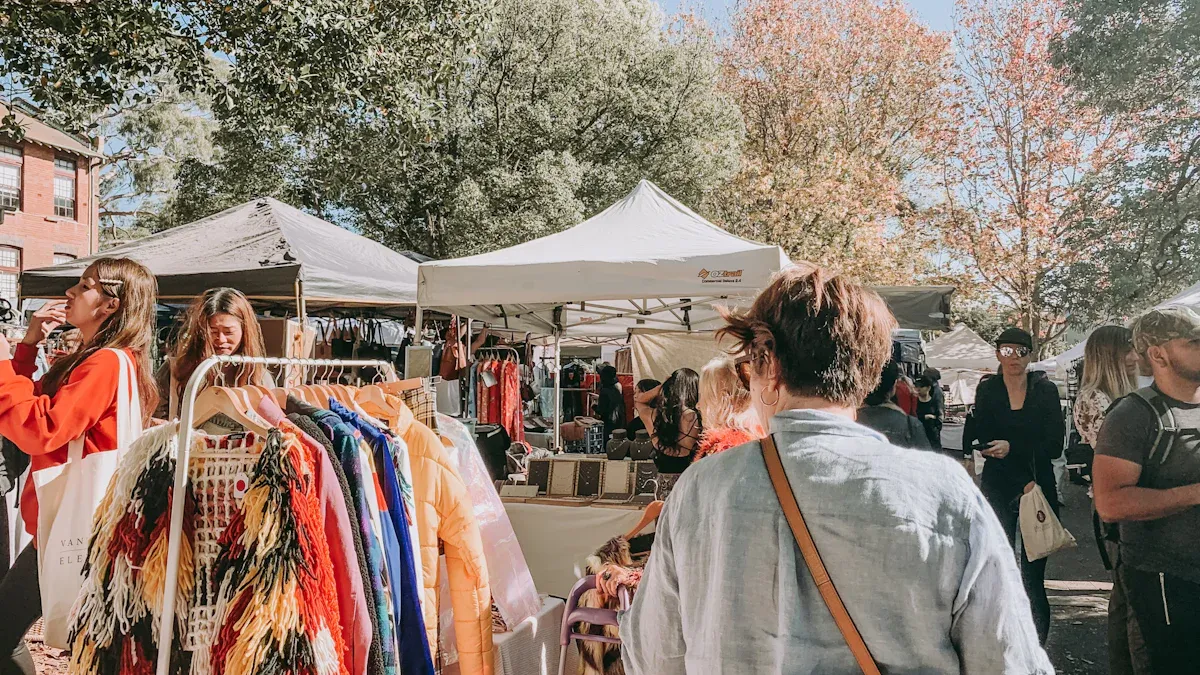
Pop-up marketing is a temporary strategy creating immersive brand interactions. This approach prioritizes direct customer engagement and the creation of memorable experiences. The primary goal is enhanced brand visibility. In fact, 66% of retailers use a pop-up with brand awareness as a key objective, often valuing engagement over immediate sales. Modern pop-up shops also leverage advanced tools for efficiency.
Esl Retail Solutions
Many setups now use an ESL Gateway AP to manage pricing. This system updates each Electronic Shelf Labels and ESL Price Tag instantly, streamlining operations.
What Defines Pop-Up Marketing?
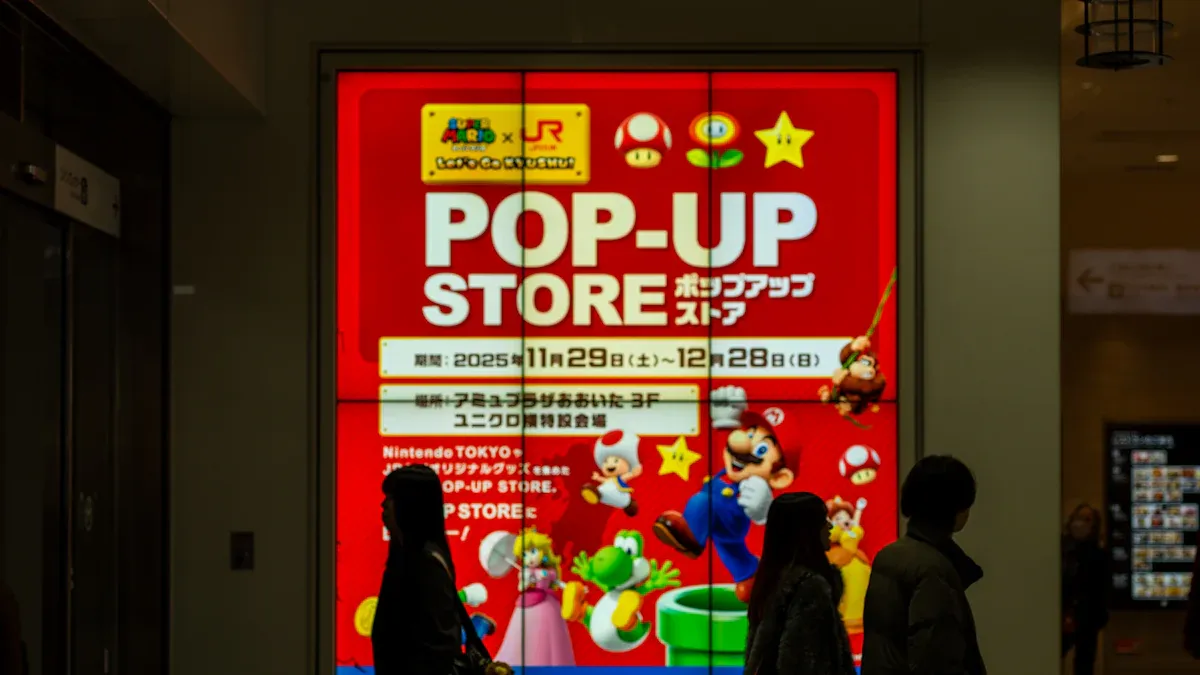
Pop-up marketing is defined by a unique set of characteristics that separate it from conventional strategies. These elements work together to create high-impact, memorable brand moments. Understanding these core principles is essential for leveraging this powerful tool effectively.
The Core Characteristics
Four key pillars form the foundation of all successful pop-up experiences.
Temporary and Time-Bound
The most fundamental trait of a pop-up is its limited lifespan. Every pop-up operates within a specific, predetermined timeframe, from a single day to several months. This finite nature is not a limitation; it is a strategic advantage that builds anticipation and communicates exclusivity.
Experiential and Immersive
A pop-up is more than a point of sale. It is an environment designed to engage the senses and invite interaction. The goal is to create an immersive, experiential atmosphere where customers can connect with the brand on a deeper level. This focus on experience transforms visitors from passive consumers into active participants.
Scarcity and Urgency
The temporary nature directly creates a sense of scarcity. Customers know the opportunity is fleeting. This psychological trigger drives immediate interest and action. Brands often amplify this effect with limited-edition products or exclusive offers available only at the pop-up.
💡 Pro Tip: The "Fear Of Missing Out" (FOMO) is your greatest asset. A clear end date encourages customers to visit sooner rather than later.
Location Versatility
Pop-ups are not confined to traditional retail spaces. They can appear in unexpected places:
- Empty storefronts
- Shipping containers
- Galleries
- Parks
- Mobile vehicles
These temporary installations allow brands to meet customers where they are, creating surprise and delight while minimizing the long-term commitment of a permanent lease.
Pop-Up vs. Traditional Marketing
The pop-up model presents a clear contrast to traditional marketing and retail approaches.
Short-Term vs. Long-Term
Traditional marketing often involves sustained, long-term campaigns and permanent physical locations. Pop-ups, however, are tactical, short-term initiatives. They deliver a concentrated burst of brand energy designed for immediate impact rather than continuous presence.
Engagement vs. Transaction
While traditional retail prioritizes sales, pop-up experiences prioritize engagement. The primary objective is to build community, generate social media buzz, and gather customer feedback. Sales are often a welcome byproduct, not the sole measure of success.
Agility vs. Permanence
A permanent retail store represents a significant, long-term investment. This makes it slow to change. A pop-up offers unparalleled agility. Brands can launch quickly, test new concepts, explore new markets, and gather data with lower risk and greater flexibility.
The Diverse World of Pop-Up Experiences
The world of pop-up marketing is not one-size-fits-all. Brands can choose from a wide array of formats to match their specific goals, budgets, and audiences. These formats range from tangible, physical installations to purely virtual events, each offering unique advantages for creating memorable pop-up experiences.
Physical Pop-Up Formats
Physical pop-ups bring the brand directly to the consumer, creating tangible and memorable in-person experiences.
The Pop-Up Retail Shop
This is the most classic format. A pop-up shop is a temporary retail store designed to sell products and test market viability. Brands use this model to enter the pop-up retail market with minimal risk, gather customer data, and generate buzz. Many have successfully used this strategy to explore new territories.
| Brand | Market Tested | Purpose of Pop-up |
|---|---|---|
| Nordstrom | New York | Promoted a new shoe line and experimented with new concepts. |
| Mark Cross | China | Developed wholesaler relationships and tested direct brand messaging. |
| Hatch | The Hamptons | Assessed market viability and experimented with new store formats. |
The Pop-Up Event or Activation
This format prioritizes immersion over commerce. An activation is an event built around a theme, a product launch, or an interactive installation. The goal is to create a powerful brand moment that encourages social sharing and deepens customer loyalty.
The Mobile Pop-Up Tour
A mobile pop-up takes the show on the road. Brands use customized vehicles like trucks, buses, or trailers to bring their experience to multiple locations. This format is excellent for reaching a broad audience across different cities or neighborhoods, maximizing brand exposure.
The Shop-in-Shop Concept
The shop-in-shop involves setting up a branded space within a larger, established retail store. This model allows a brand to leverage the host store's existing foot traffic. It is a symbiotic relationship that offers visibility for the pop-up and fresh content for the host.
Digital and Hybrid Pop-Up Formats
Technology has expanded the pop-up concept beyond physical walls, creating new avenues for engagement.
The Digital-Only Experience
A digital pop-up exists entirely online for a limited time. These virtual pop-up experiences can take many forms, from exclusive online stores to immersive 3D environments. Brands leverage this format to launch limited-edition products and engage a global audience without physical constraints.
- Netflix launched a limited-time immersive shopping experience featuring products from shows like Stranger Things.
- Dunkin' Donuts' temporary merchandise collection was so successful it became a permanent online store.
- Lancôme created a virtual 3D pop-up in the UK, allowing shoppers to interact with beauty influencers and view products in detail.
Phygital (Physical + Digital) Integration
Phygital pop-ups merge the physical and digital worlds. These experiences use technology like QR codes, augmented reality (AR), or interactive screens within a physical space. This integration enhances the customer journey, captures valuable data, and creates a modern, seamless interaction.
The Social Media Takeover
A social media takeover is a short-term, high-impact digital event. A brand might host a limited-time sale on Instagram Live, launch a branded filter on TikTok, or partner with an influencer for an exclusive Q&A session. This approach creates urgency and community engagement directly on platforms where customers are already active.
Why Pop-Up Marketing is a Powerful Strategy
Pop-up marketing offers a dynamic way for brands to achieve specific goals, from boosting brand visibility to testing new products. Its temporary and experiential nature creates unique advantages that traditional retail cannot easily replicate. However, this agile approach also comes with its own set of challenges that require careful consideration.
Key Advantages for Boosting Brand Visibility
A well-executed pop-up can deliver substantial returns on brand equity and customer relationships. These key benefits make it a compelling strategy for modern businesses.
Increased Brand Awareness and Buzz
Pop-ups are natural buzz-generators. Their limited-time nature creates an event-like atmosphere that encourages social sharing. Brands can amplify this effect by creating shareable moments and promoting unique aspects of the event. For example, the beverage brand Poppi used its "Poppi Mart" pop-up events and influencer collaborations to generate over 50 million views in just three days, dramatically increasing brand awareness. This strategy turns attendees into brand advocates, extending the pop-up's reach far beyond its physical footprint.
Direct Customer Connection
Pop-ups provide an invaluable opportunity to interact with customers face-to-face. This direct engagement builds stronger relationships and provides authentic, unfiltered feedback. Brands can observe how customers interact with products, listen to their opinions, and answer questions in real time. This personal connection fosters loyalty and creates a memorable experience that deepens the customer's affinity for the brand.
Low-Risk Market and Product Testing
Launching a pop-up is approximately 80% less expensive than opening a permanent store, making it an ideal platform for experimentation. Brands can test new markets, trial new product lines, or experiment with store concepts without the long-term financial commitment of a traditional lease. With 44% of brands spending less than $5,000 on their pop-up, it is a cost-effective way to gather crucial data and validate business ideas.
Cost-Effective Physical Presence
In an era of high retail real estate costs, pop-ups offer a flexible and affordable alternative. They allow brands to establish a physical presence in prime locations for a fraction of the cost of a long-term lease.
"People are very skittish about retail real estate locations. We’re in vastly changing times, where technology and behaviors are changing rapidly and long-term commitments to leases don’t make any sense." - Ken Morris, Boston Retail Partners
This agility allows brands to tell their story through unique physical experiences without being tied down, a key reason for the growth of the $50 billion pop-up industry.
Rich Content Generation
A pop-up is a content goldmine. The unique design, interactive elements, and customer engagement provide a wealth of material for social media, blogs, and future marketing campaigns. Brands can capture photos and videos of the event, share user-generated content, and create behind-the-scenes stories. This steady stream of authentic content keeps the brand awareness high long after the pop-up has closed.
Potential Challenges and Risks
While powerful, pop-ups are not without their difficulties. Awareness of these potential risks is the first step toward effective mitigation.
Complex Logistical Planning
Executing a successful pop-up requires navigating a maze of logistical details. Key challenges include:
- Short-term warehousing for inventory and displays.
- Precision delivery to ensure everything arrives on time.
- Careful handling of custom fixtures and technical equipment.
- Coordinated post-event services for dismantling and asset recovery.
These complexities often necessitate partnering with specialized logistics providers to ensure a smooth execution.
Measuring Short-Term ROI
Measuring the success of a pop-up can be complex because its value extends beyond direct sales. Key metrics to track include social media engagement, media mentions, and lead generation. To assess performance, brands can monitor metrics like Click-Through Rate (CTR) on promotional materials and Conversion Rate for actions like newsletter sign-ups. This broader view of ROI is essential for understanding the full impact on brand awareness.
Risk of Low Foot Traffic
Even the most creative pop-up will fail if no one shows up. Driving foot traffic requires a robust promotional strategy that begins long before the launch. A lack of pre-event hype, poor location choice, or ineffective marketing can lead to an empty space and a missed opportunity.
High-Pressure Execution Window
The temporary nature of a pop-up means there is little room for error. The entire project, from planning and setup to execution and teardown, operates on a compressed timeline. This high-pressure environment demands flawless coordination and quick problem-solving from the entire team.
How to Launch a Successful Pop-Up
Transforming a pop-up idea into a successful reality requires a methodical, multi-stage approach. From initial brainstorming to the final design touches, each step builds upon the last. This structured process ensures that every element works together to create a cohesive and impactful brand experience.
Step 1: Strategic Planning
A strong foundation is critical for any successful pop-up. This initial phase involves defining what you want to achieve, how you will measure it, and who you need to reach. Clear strategic planning acts as a roadmap for all subsequent decisions.
Defining Clear Goals and KPIs
Before any other planning begins, you must define your objectives. A clear campaign concept is vital for unifying all elements and motivating your audience. Your goals will dictate which Key Performance Indicators (KPIs) you track.
- Align KPIs with Campaign Goals: Your primary goals—whether brand awareness, lead generation, or product testing—should directly inform the metrics you select.
- Determine Valuable KPIs: Analyze your business objectives and map the customer journey to identify the KPIs that offer the most relevant insights.
- Choose Only a Few KPIs: Avoid data overload. Focus on a limited number of critical metrics that truly measure success against your specific goals.
- Leverage Brand Lift Studies: To measure impact beyond simple clicks, consider brand lift studies. These tools provide deeper insights into consumer sentiment and brand affinity.
Establishing a Realistic Budget
Your budget will shape the scale and scope of your event. A detailed financial plan should account for all potential expenses to prevent surprises. Key budget categories include:
- Rent: Short-term lease for the space.
- Design & Build: Costs for fixtures, displays, and construction.
- Staffing: Wages for temporary employees.
- Technology: POS systems, interactive displays, and Wi-Fi.
- Permits & Insurance: Legal and compliance fees.
- Marketing & Promotion: Pre-launch, live, and post-event advertising.
- Inventory: Cost of goods to be sold or sampled.
💡 Pro Tip: Always include a contingency fund—typically 10-15% of the total budget—to cover unexpected costs. This financial cushion provides flexibility to handle unforeseen challenges without compromising the experience.
Identifying Your Target Audience
Knowing your audience is fundamental. Understanding their demographics, interests, and behaviors allows you to tailor the location, design, and messaging for maximum impact. Several tools can help you pinpoint your ideal customer.
- Social Media Insights: Use the built-in analytics on platforms like Facebook to gather demographic and interest data from your existing followers.
- Google Analytics: The "Audience" tab reveals valuable information about your website visitors, including their affinity markets and purchase intentions.
- Customer Surveys: Directly ask your current customers about their preferences using tools like SurveyMonkey or Google Forms. This provides firsthand data on their needs.
- Competitor Analysis: Examine your competitors' audiences to identify potential untapped markets or segments you can serve better.
Step 2: Location and Logistics
With a solid strategy in place, the focus shifts to the practicalities of bringing your pop-up to life. This stage involves securing the right space and managing the operational complexities that ensure a smooth execution.
Selecting the Perfect Location
The right location can make or break your event. The ideal spot places your brand directly in the path of your target audience.
- Choose areas with high foot traffic, such as busy streets or popular shopping centers.
- Ensure the location's demographics align with your target customer profile.
- Visit potential sites at different times of the day and week to accurately assess foot traffic patterns and the surrounding atmosphere.
Securing Permits and Insurance
Navigating the legal requirements is a non-negotiable step. Failing to secure the proper licenses and insurance can lead to fines or shutdowns. Requirements vary by city but typically include:
| Permits & Licenses | Insurance Policies |
|---|---|
| Business License | General Liability Insurance |
| Temporary Use Permit | Business Property Insurance |
| Special Event Permit | Product Liability Insurance |
| Health Department Permit (for food/beverage) | Workers' Compensation Insurance |
For events serving alcohol, a temporary liquor license is often necessary for public events. Regulations differ significantly between municipalities, so always consult local authorities.
Managing Inventory and Staffing
Efficient operations depend on well-managed inventory and a well-trained team. Your staff are your brand ambassadors, and your inventory is your core offering.
For staffing, develop a robust training program.
- Create a handbook with POS instructions, brand messages, and customer service protocols.
- Train staff on the brand's core messages to ensure consistent communication.
- Educate them on how to handle sales, returns, and stressful customer interactions with empathy.
- Assign specific roles to create efficiency and accountability.
For inventory, a clear strategy is essential.
- Forecast demand wisely to optimize stock levels and avoid overstocking.
- Curate the product selection to fit the theme and space.
- Establish an exit strategy for any leftover products, such as moving them to your online store or donating them.
Step 3: Experience Design
This is where your brand story comes to life. The design of your pop-up—from the overall theme to the smallest interactive detail—should immerse visitors in a memorable and engaging world.
Developing an Immersive Theme
A strong theme unifies the entire experience and makes it unforgettable. Successful brands often create a "funhouse" atmosphere that encourages exploration and social sharing. For example, M&M's created "Flavor Rooms" in New York City, with each room themed to a potential new flavor. This allowed for customer feedback while providing a highly Instagrammable experience. Similarly, Mike’s Hard Lemonade built an indoor #BrightSide experience decorated entirely in yellow, complete with a ball pit and lemonade conveyor belt, to associate the brand with fun and positivity.
Crafting an Engaging Layout
The physical layout guides customer flow and influences behavior. A well-designed space encourages exploration and maximizes exposure to products.
- Use Zonal Layouts: Divide the space into product-based zones and place popular "anchor" products strategically to pull shoppers through the entire store.
- Ensure Clear Sightlines: An open design helps customers navigate and highlights attractive displays from a distance.
- Maintain Wide Aisles: Aisles should be at least four feet wide to allow for comfortable browsing and prevent congestion.
- Consider a Free-Flow Layout: For smaller, high-end spaces, a free-flow design without rigid aisles encourages wandering and discovery, which is ideal for experiential retail.
Integrating Interactive Elements
Interactive elements transform passive visitors into active participants. Technology and hands-on activities deepen engagement and create shareable moments. Consider integrating:
- Photo Booths: A classic way to encourage social sharing with branded backdrops.
- AR Filters: Custom augmented reality filters that guests can use on social media.
- Product Customization Stations: Allow visitors to personalize products, creating a unique takeaway.
- Workshops or Demos: Host short classes or product demonstrations to provide value and showcase expertise.
Step 4: Marketing and Promotion
A brilliant pop-up concept will only succeed if people know about it. Effective marketing is not a single action but a continuous effort that spans three critical phases: before, during, and after your event. A comprehensive strategy for promoting your pop-up experience is essential for maximizing attendance, engagement, and long-term brand impact.
Generating Pre-Launch Hype
The work of driving foot traffic begins weeks or even months before you open your doors. The goal is to build anticipation and create a sense of "can't-miss" excitement. A strong pre-launch campaign ensures you have an audience ready and waiting.
- Establish a Digital Hub: Most event participants (96%) search for information online. Create a dedicated landing page for your pop-up. This page should clearly communicate the essential details: date, time, location, and what makes the event special.
- Leverage Content Marketing: Write blog posts about the event to improve search engine visibility (SEO). These posts can offer deeper insights into your theme, featured products, or the team behind the event. This content provides valuable material to share across your social channels.
- Execute a Strategic Social Media Rollout: Use social media to build suspense. Start with mysterious teasers and gradually reveal details. Create a unique, memorable hashtag to track conversations. A daily countdown in the final week can significantly amplify the Fear Of Missing Out (FOMO).
- Share Behind-the-Scenes Content: Invite your followers into your world. Share photos and videos of the planning process, from design mockups to venue setup. This authentic content personalizes the brand and makes your audience feel like part of the journey.
- Connect with Influencers: Collaborate with influencers whose audience aligns with your brand. Invite them to an exclusive VIP preview before the official opening. Their content will generate credible, third-party excitement and reach a wider, targeted audience.
Driving Traffic During the Event
Once your doors are open, your marketing focus shifts to real-time engagement and attracting on-the-spot visitors. The energy of the event itself becomes a powerful promotional tool.
💡 Pro Tip: Empower your attendees to become your marketers. Create an environment so engaging that they are compelled to share their experience online.
Use a mix of digital and physical tactics to maintain momentum.
| Tactic | Description | Goal |
|---|---|---|
| Live Social Media | Post frequent updates, stories, and live videos from the event. | Show real-time excitement and create urgency for those who haven't visited yet. |
| User-Generated Content (UGC) Contest | Offer a prize for the best photo or video posted with your event hashtag. | Encourage social sharing and amplify your reach organically. |
| Geofenced Digital Ads | Run targeted ads on social media and search engines for users within a specific radius of your location. | Capture the attention of nearby potential customers. |
| Local Signage | Use clear, eye-catching A-frame signs or window displays. | Attract foot traffic from passersby who may not have known about the event. |
Nurturing Leads Post-Event
The end of the pop-up is not the end of the relationship. The connections and data you gathered are valuable assets for future growth. A thoughtful post-event strategy converts temporary interest into lasting loyalty.
- Immediate Follow-Up: Send a "thank you" email to all registered attendees and new newsletter subscribers within 48 hours. You can include a special offer or a link to a feedback survey.
- Share Recap Content: Create a highlight reel, photo gallery, or blog post summarizing the event. This content serves as a great reminder for attendees and shows non-attendees what they missed, building interest for future events.
- Analyze Performance Data: Review your KPIs. Analyze sales data, social media engagement metrics, and survey responses to measure success and identify areas for improvement.
- Segment and Nurture: Add the new contacts to your email marketing lists. Segment them based on their interaction at the event (e.g., purchased a specific product) for more personalized future communication.
By extending the conversation, you ensure the buzz from your event continues to deliver value long after the doors have closed.
Key Ingredients for Successful Pop-Up Experiences
An exceptional pop-up is more than just a temporary store; it is a carefully crafted event built from specific, powerful ingredients. These elements work in harmony to transform a simple visit into a memorable brand interaction. Understanding these key components is crucial for creating successful pop-up experiences that resonate with customers and achieve strategic goals.
Creating Exclusivity
Exclusivity is a powerful psychological driver. It makes customers feel like they are part of a special, time-limited event. This feeling stimulates desire and encourages immediate action.
Limited-Edition Products
Offering products available only at the pop-up creates a powerful sense of urgency. This strategy is highly effective because scarcity enhances desirability. Customers are prompted to make quicker purchase decisions knowing the items will not be available later. For example, luxury brands like Louis Vuitton often feature exclusive products at their pop-up locations that cannot be found in regular stores, driving both foot traffic and sales.
VIP Access and Events
Granting special access makes your most valuable customers feel appreciated. You can host a pre-launch party for loyal members or offer early shopping hours for newsletter subscribers. These exclusive events build strong brand affinity and generate early buzz through word-of-mouth and social media.
Fostering Community
Pop-up experiences provide a unique opportunity to build a community around your brand. These events transform transactional relationships into genuine connections.
Workshops and Classes
Hosting workshops or classes adds significant value beyond simple shopping. A skincare brand might offer mini-facial tutorials, or a home goods store could host a small-space organization class. These activities position your brand as an expert and create a collaborative, engaging atmosphere.
Meet-and-Greets
Arranging meet-and-greets with brand founders, designers, or relevant influencers can be a major draw. These personal interactions offer fans a rare opportunity to connect with the people behind the brand. This fosters a deeper, more personal connection and creates a highly shareable moment.
Leveraging Technology
Modern technology can elevate a pop-up from a simple shop to a truly experiential destination. Strategic tech integration makes the event more interactive, memorable, and measurable.
AR/VR Integrations
Augmented and virtual reality can create immersive digital layers over your physical space. Brands are using this technology to create innovative pop-up experiences. For instance, Revolut launched its Ultra membership with 'Platinum Portals' in major cities; users scanned a QR code to activate an AR experience. Similarly, Coca-Cola Zero Sugar used AR to let users interact with large digital screens, scan a code for a virtual product, and redeem a voucher for a real one.
Smart Displays and RFID
Interactive screens and Radio-Frequency Identification (RFID) technology can streamline and enhance the customer journey. Smart displays can provide dynamic product information or showcase user-generated content. RFID tags on products can trigger content on nearby screens as a customer picks them up, creating a seamless and informative interaction.
Designing for Social Media
In today's digital landscape, a pop-up is not just a physical space; it is a content creation engine. Designing with social media in mind transforms attendees into brand ambassadors. This strategy extends the event's reach far beyond its physical walls, generating organic buzz that lives on long after the pop-up closes.
Instagrammable Moments
An "Instagrammable moment" is an experience so visually compelling or emotionally resonant that visitors feel an impulse to capture and share it. Authenticity is paramount here. The most effective moments arise from genuine delight, not from forced photo opportunities. The goal is to design for the attendee's experience first; the social sharing will follow naturally.
Consider these methods for creating shareable pop-up experiences:
- Incorporate Interactive Elements: A creative wall where guests can write advice or a DIY craft station allows for personalization. These activities foster an emotional connection and produce unique, shareable content.
- Design Unique Visuals: A well-placed neon sign, a wall with patterned wallpaper, or even a funky floor design can serve as an ideal selfie backdrop. These elements enhance the theme and encourage photos.
- Embrace Art and Culture: Collaborate with a local artist or tap into a relevant pop culture trend. This approach creates visually stunning displays that resonate with audience interests and generate organic impressions.
- Focus on Unexpected Delights: Instead of one large, obvious photo op, create smaller, quirky, and interactive pieces. These niche moments can feel more personal and surprising, leading to more authentic sharing.
The best pop-up experiences make people feel something. When visitors are surprised or delighted, they naturally want to share that feeling. People share experiences, not advertisements.
Branded Hashtags
A branded hashtag is a simple yet powerful tool for consolidating all user-generated content from your pop-up. It acts as a digital filing cabinet for every photo, video, and story shared about your event, making it easy to track engagement and amplify your reach.
Creating an effective hashtag involves a few key principles:
- Keep it Short and Memorable: The hashtag should be easy to type and remember. Avoid complex words or long phrases.
- Make it Unique: Research the hashtag on social media platforms before you commit. Ensure it is not already in use for another purpose to avoid confusing your content with someone else's.
- Promote it Everywhere: Display your hashtag prominently throughout the pop-up space. Include it on signage, marketing materials, and staff apparel. Encourage its use by running a contest for the best post featuring the hashtag.
A well-chosen hashtag unifies the conversation around your event, turning individual posts into a collective story about your brand.
Real-World Examples of Unforgettable Pop-Ups
Theory is valuable, but seeing pop-up marketing in action reveals its true power. The world's most innovative brands use pop-up experiences to create buzz, connect with fans, and build lasting loyalty. These examples showcase how creativity and strategy combine to produce unforgettable results.
Retail and Fashion Success Stories
Glossier's Themed Showrooms
Glossier masterfully translated its digital-first brand into the physical world. Their themed pop-up showrooms were designed for deep consumer engagement. Key success factors included:
- Sleek, minimalist setups that mirrored the brand's online aesthetic.
- An "Instagram-worthy" layout designed to attract a younger, digitally native audience.
- Partnerships with companies like Food Truck Promotions to offer free gelato, adding a fun and shareable element.
- A consistent brand identity with clean visuals and on-trend colors.
This approach created immersive, multi-sensory pop-up experiences that strengthened brand loyalty through social sharing.
Kanye West's 'The Life of Pablo' Shops
Kanye West's 'The Life of Pablo' pop-up shops redefined merchandise sales. The strategy was built on extreme scarcity and hype. Each location was announced with little notice, operating for just a single weekend. The minimalist, industrial spaces sold exclusive, city-specific apparel, causing massive lines and immediate sell-outs. This model demonstrated the power of a pop-up to create an urgent cultural moment.
Food and Beverage Innovations
Taco Bell's 'The Bell' Hotel & Cantina
Taco Bell took brand immersion to an unprecedented level with 'The Bell' Hotel. This pop-up was not about selling tacos; it was a pure promotional strategy to generate buzz. The 70-room hotel sold out in two minutes.
According to marketing professor Chiranjeev Kohli, "This is a promotional strategy, with the idea of creating more buzz... They’ve already earned enough in returns to compensate for whatever investment they must have made on this."
The hotel provided one of the most memorable experiences imaginable. Guests enjoyed amenities like hot sauce packet-shaped pillows, an on-site salon for Taco Bell-themed nail art, and exclusive menu items. The entire experiential event was designed to reward superfans and inspire social sharing.
Oreo's Flavor Vault Experience
Oreo created a playful pop-up centered on discovery and exclusivity. The "Flavor Vault" experience allowed fans to access rare and unreleased cookie flavors. This concept turned product sampling into an exciting event. Visitors felt like they were gaining special access, which fostered a stronger connection to the brand and generated significant social media chatter about the unique flavors.
Entertainment and Media Activations
Netflix's 'Stranger Things' Immersive Experiences
Netflix brought the world of Hawkins, Indiana to life for fans. These pop-up events were designed to be fully immersive. They recreated iconic locations like the Starcourt Mall and the Palace Arcade.
"All the environments are themed around those iconic moments from the show. We want to bring to life all the amazing scenes that fans love,” says Greg Lombardo, Netflix’s Head of Live Experiences.
The pop-up allowed visitors to interact with set pieces, play 80s arcade games, and take photos with a Demogorgon. This strategic use of nostalgia and interactive storytelling created a powerful emotional connection with fans.
The 'Friends' Central Perk Replica
The 'Friends' Central Perk pop-up is a perfect example of leveraging nostalgia. By meticulously recreating the iconic coffee shop from the beloved sitcom, Warner Bros. offered fans a simple yet powerful experience. Visitors could sit on the famous orange couch, take photos, and feel like they had stepped into the show. This pop-up proves that a well-executed, familiar concept can be just as effective as a complex activation.
The Future of the Pop-Up
The pop-up concept is not a fleeting trend; it is an evolving and essential marketing strategy. Its future is shaped by changing consumer values and technological advancements. Brands must watch key trends to remain relevant. The format's inherent strengths also ensure its lasting place in modern business.
Emerging Trends to Watch
Three major trends are defining the next generation of pop-up experiences. These shifts focus on sustainability, technology, and personalization.
The Rise of Sustainable Pop-Ups
Modern consumers increasingly support brands with strong environmental ethics. This has led to a rise in sustainable pop-up design. Brands are now adopting eco-friendly practices to reduce their footprint. Stella McCartney's Ibiza pop-up, for example, used recycled wood and energy-efficient LED lighting.
Key strategies for sustainable displays include:
- Using upcycled or biodegradable materials like bamboo and cork.
- Designing reusable displays to minimize waste.
- Opting for eco-friendly inks with minimal environmental impact.
Deeper Technology Integration
Technology is becoming more central to the pop-up experience. Early tech integrations were often novelties. Future pop-ups will use technology to create truly seamless and immersive journeys. This includes AR that enhances product discovery and data analytics that inform real-time adjustments to the experience.
Hyper-Personalization at Scale
Brands are moving beyond one-size-fits-all events. Using data collected from digital touchpoints, companies can now tailor pop-up interactions to individual visitors. This could mean personalized recommendations on a smart screen or exclusive offers sent directly to a visitor's phone upon entry.
Why Pop-Ups Are Here to Stay
The pop-up format has secured its role as a vital marketing tool. Its longevity is rooted in its unique ability to meet core consumer desires and provide strategic flexibility for brands.
Fulfilling Consumer Desire for Experiences
Today's consumers increasingly prioritize experiences over material possessions. Research shows that people gain more satisfaction and lasting happiness from experiential purchases. Experiences cultivate stronger feelings of gratitude and are less prone to negative social comparisons. A pop-up directly serves this desire, offering a memorable event rather than just a transaction.
A Key Tool for Modern Retail
The pop-up offers an agile solution in a rapidly changing retail world. It allows brands to test markets, launch products, and create physical touchpoints with lower risk and cost. This flexibility is a primary driver for the growing global pop-up retail market. It provides a powerful alternative to long-term leases.
The Ultimate Brand Storytelling Platform
A pop-up is a powerful vehicle for authentic brand storytelling. It can function as a "lived continuation of the campaign’s logic," embedding the brand narrative into the customer's journey. When a brand offers interactive zones like a customization station, it allows visitors to actively participate in the story. This approach creates a more genuine and engaging brand interaction than passive advertising ever could.
Pop-up marketing has cemented its role as a vital strategy for creating authentic brand connections in a crowded marketplace. Its power lies in combining temporary scarcity with immersive experiences, leaving a lasting impression on consumers. Any brand can harness this power to drive engagement and growth.
By embracing strategic planning, creative execution, and a customer-centric focus, temporary events can be transformed into long-term brand loyalty.
FAQ
What is the primary goal of a pop-up?
The main objective is to boost brand awareness and create direct customer connections. Pop-ups prioritize immersive experiences and engagement. Direct sales are often a secondary goal, not the primary measure of success.
How long should a pop-up event last?
The duration can range from a single day to several months. The most important factor is having a clearly defined, limited timeframe. This temporary nature creates a sense of urgency and exclusivity for customers.
How much does it cost to launch a pop-up?
Costs vary significantly based on location and scale. However, pop-ups are a cost-effective strategy. Many brands execute them for under $5,000. They are approximately 80% less expensive than opening a permanent retail location.
What are the key ingredients for a successful pop-up?
A successful pop-up combines several key elements.
- Exclusivity: Offering limited-edition products.
- Community: Fostering connection through workshops.
- Technology: Using AR or interactive displays.
- Social Media: Designing "Instagrammable" moments.
Can a purely online brand benefit from a pop-up?
Yes. Pop-ups are an excellent tool for digital-native brands. They provide a low-risk opportunity to create a physical presence, interact with customers face-to-face, and test new markets without the commitment of a permanent store.
How do you measure the success of a pop-up?
Success is measured beyond simple sales figures. Brands should track Key Performance Indicators (KPIs) aligned with their goals.
Key metrics include social media engagement, media mentions, website traffic, and leads generated. These data points help measure the overall impact on brand awareness.
What is the most important first step in planning a pop-up?
The most critical first step is strategic planning. Before considering location or design, you must define clear goals, establish a realistic budget, and thoroughly identify your target audience. This foundation guides all future decisions.
See Also
Page Not Found: Navigating The Digital Abyss Of Missing Content