What Is a Strip Screen and Why Is It Everywhere in 2026?

A strip screen is an ultra-wide digital display, often called a stretched lcd bar display. This narrow screen is engineered to deliver dynamic content in spaces where traditional 16:9 screens are impractical. Its primary function is providing targeted information in a space-efficient format.
In an Esl Retail setting, for instance, an ESL Gateway AP can instantly update an ESL Price Tag on digital Electronic Shelf Labels, showcasing the technology's precision and utility.
What Defines a Strip Screen?
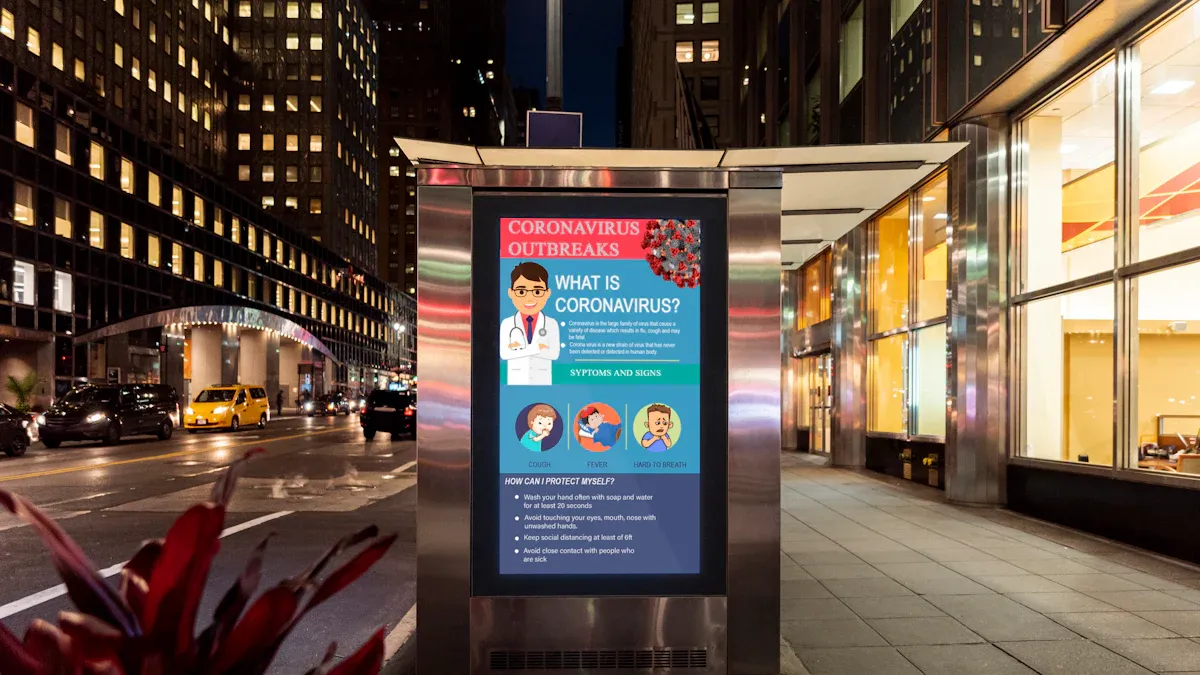
A strip screen is more than just a differently shaped display; its unique form factor is a direct result of specialized technology and purpose-driven design. Understanding these core components reveals why it has become an essential tool for modern communication.
The Technology Behind the Form Factor
The distinctive shape of these displays is enabled by specific manufacturing and engineering advancements. Three key technologies define their hardware foundation.
Custom-Cut LCD and LED Panels
Manufacturers create a stretched lcd bar display by cutting a native 16:9 panel into narrower sections. This process, known as panel slitting, requires precision engineering to resize the panel while preserving the integrity of its pixels and internal circuitry. The result is a commercial-grade display with a non-traditional shape.
Ultra-Wide Aspect Ratios
Traditional screens use a 16:9 aspect ratio. A long strip screen, however, features extreme aspect ratios like 32:9, 58:9, or even wider. This ultra-wide format is specifically designed to present information horizontally or vertically in a panoramic or ticker-style layout.
Integrated System-on-Chip (SoC)
Modern displays often include an integrated System-on-Chip (SoC). This technology embeds a media player and processing unit directly into the display's hardware.
- Eliminates the need for an external computer or media player.
- Simplifies installation and reduces potential points of failure.
- Allows for remote content management and system diagnostics.
Strip Screen vs. Traditional Digital Signage
While both are forms of digital signage, their differences in design lead to vastly different applications and audience interactions.
Form Factor and Installation Flexibility
The primary advantage is installation flexibility. Traditional 16:9 screens require significant wall space. In contrast, lcd bar screens can be installed in areas that were previously unusable for digital media, such as:
- Above doorways and ticket counters
- On retail shelf edges
- Wrapped around support columns
- Inside buses and train cars
Content and Use Case Specialization
Content for a band screen is highly specialized. It excels at displaying linear, scannable information like real-time data feeds, promotional text, directional guidance, and pricing. It is not intended for complex, full-screen video but for delivering targeted messages efficiently.
Audience Engagement and Viewing Dynamics
The viewing dynamic shifts from prolonged engagement to quick, informational glances. A person interacts with a strip screen to get a specific piece of data—like a gate number or a stock price—and then moves on. The design prioritizes immediate readability over immersive viewing.
Why Is the Strip Screen Everywhere? Key Industry Applications
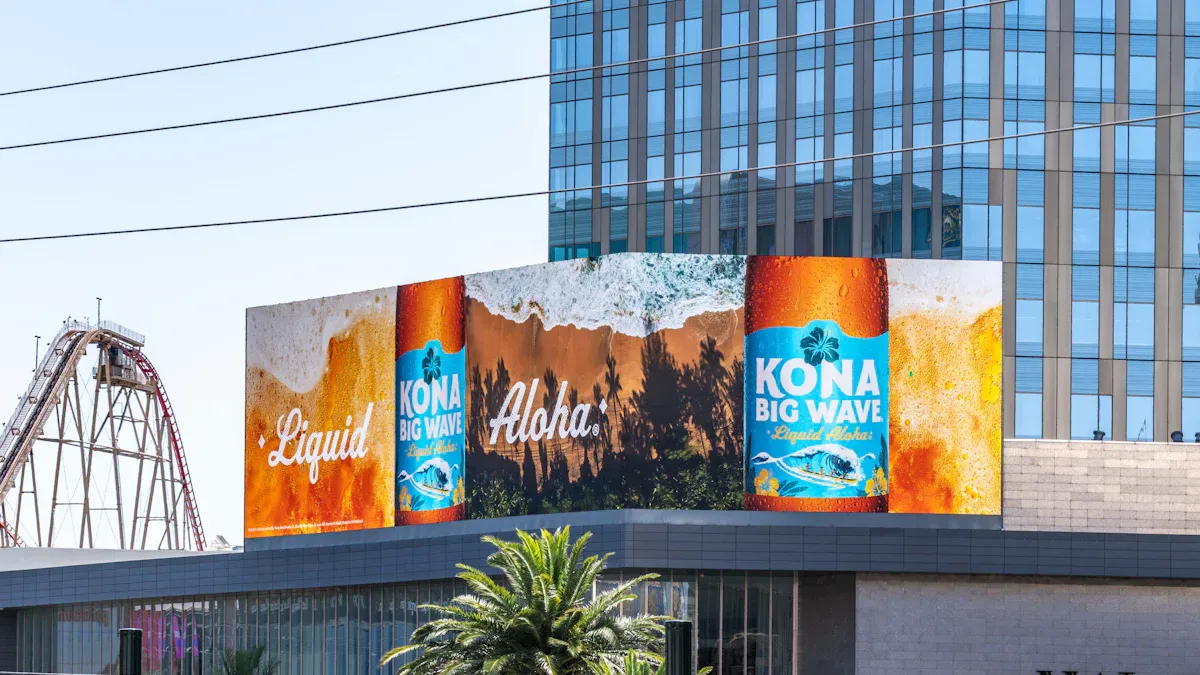
The rapid adoption of the strip screen is not accidental. It is a direct response to the need for dynamic, space-conscious digital communication across multiple sectors. Its unique form factor solves long-standing challenges in retail, transportation, and corporate environments, making it an indispensable tool by 2026.
Revolutionizing Retail and Advertising
In the competitive retail landscape, capturing customer attention at the moment of decision is critical. Stretched displays provide a powerful new medium for influencing purchasing behavior directly at the point of sale.
Digital Shelf-Edge Displays
Static paper labels are becoming obsolete. Digital shelf-edge displays transform the retail shelf into a dynamic marketing platform. These displays are purpose-built for high-traffic commercial environments.
- They are engineered for 24/7 operation, delivering eye-catching videos and promotions.
- Their design is perfect for smart shelf projects and brand activations.
- They excel in space-limited applications, grabbing attention right where purchase decisions happen.
In-Aisle Wayfinding and Promotions
Large retail stores can be difficult to navigate. A long, narrow display mounted above aisles provides clear directional guidance. It can also run targeted promotions, alerting shoppers to special offers in that specific aisle and encouraging impulse buys.
Point-of-Sale Customer Information
At the checkout counter, these displays enhance the customer experience. They can show a running total of items, display loyalty point balances, or present last-minute upsell opportunities. This provides clarity for the customer and an additional marketing touchpoint for the retailer.
Transforming Transportation Hubs
Transportation hubs are environments defined by the constant flow of people and information. Stretched displays are uniquely suited to deliver critical data to travelers on the move.
Real-Time Transit Information
Bus terminals, subway stations, and train platforms require clear, easily scannable information. Ultra-wide displays are ideal for showing real-time arrival and departure schedules, platform numbers, and service alerts in a continuous, linear format that is easy to read from a distance.
In-Vehicle Route and Stop Displays
Inside buses, trams, and trains, these screens have become the standard for passenger information. Mounted overhead, they display the current route map, announce the next stop, and provide other essential travel updates without obstructing views or taking up valuable space.
Airport Gate and Baggage Claim Signage
The airport is a prime use case. A stretched display above a gate can clearly show the flight number, destination, and boarding status. At baggage claim, a continuous loop of information on a wide screen above the carousel directs passengers to the correct location, reducing confusion and anxiety.
Enhancing Corporate and Public Spaces
Modern offices and public venues are leveraging digital signage to create smarter, more responsive environments. The unique form factor of stretched displays allows for seamless integration into architectural designs.
Meeting Room Occupancy Signs
A small display mounted outside a conference room provides an elegant solution for managing shared spaces. It can sync directly with calendar software to show a room's current status (Available/In Use) and upcoming schedule.
Employees receive real-time data for desk bookings, meeting room schedules, and any vital office-wide announcements.
Directional Signage in Lobbies
Lobby displays are a powerful tool for improving the visitor experience. They can provide a warm welcome with personalized messages, offer clear wayfinding to different departments, and display a building directory. This technology reinforces company culture by showing recent milestones or core values, creating a dynamic first impression.
Dynamic Museum Exhibit Labels
Museums are moving beyond static placards. As designers seek the next advancement in visual engagement, the strip screen offers a solution. It can function as a dynamic label, providing text, short video clips, and interactive information about an artifact. This approach turns a passive viewing experience into an engaging educational moment, moving beyond traditional video walls toward more creative and integrated mosaic video displays.
Modernizing Finance and Banking
The financial industry operates on speed, accuracy, and data. Strip screens meet these demands perfectly. They provide a reliable and professional medium for displaying the time-sensitive information that drives financial markets and banking operations.
Live Stock Tickers
The classic stock ticker is an iconic symbol of the financial world. Strip screens are its modern, high-tech evolution. They transform trading floors, wealth management offices, and bank lobbies into hubs of live market activity. These displays offer several key advantages for displaying financial instruments.
- High Information Density: A single screen can show a continuous stream of data, including stock symbols, current prices, and daily percentage changes.
- Immediate Readability: The ultra-wide format allows traders and clients to absorb critical market movements with a quick glance.
- Professional Ambiance: A sleek, scrolling ticker reinforces an environment of financial expertise and market awareness, enhancing client confidence.
The technology connects directly to market data feeds. This ensures the information displayed is live, with minimal latency.
Currency Exchange Rate Boards
International travel and global commerce depend on accurate currency exchange rates. Strip screens have replaced outdated manual boards and less dynamic displays in banks and exchange bureaus. They offer a superior solution for displaying this vital information.
In finance, trust is paramount. A digital exchange rate board that updates in real time from a live data feed eliminates the risk of displaying inaccurate or old information. It provides customers with the confidence that they are receiving the correct, current rate.
These displays can show dozens of currency pairs simultaneously. The high-contrast, bright text is easily readable from a distance, even in a busy bank lobby. This clarity improves the customer experience and streamlines operations for tellers and financial agents.
The Core Advantages Driving Adoption
The widespread integration of stretched displays is fueled by a powerful combination of technical superiority, design ingenuity, and robust engineering. These core advantages solve critical challenges in visual communication, making them the preferred solution for dynamic information in modern environments.
Superior Visual Performance
A display's effectiveness is measured by its ability to deliver a clear message. Stretched displays are engineered for maximum visual impact, ensuring information is not just shown but seen and understood.
High Brightness and Contrast Ratios
These displays are often deployed in brightly lit commercial spaces like retail stores and airports. They feature high brightness levels, measured in nits, to overcome ambient light and remain perfectly visible. A high contrast ratio further enhances readability, making text and graphics appear sharp and distinct. This ensures that critical information, from pricing to flight details, stands out clearly.
Wide Viewing Angles for Readability
People view these screens from various angles and distances while on the move. Manufacturers use advanced panel technology to provide wide viewing angles, typically up to 178 degrees. This feature guarantees that the content remains clear and color-accurate, whether a person is directly in front of the screen or viewing it from the side.
Vibrant and Accurate Color Reproduction
Effective advertising and branding depend on precise color representation. These displays are capable of reproducing a wide color gamut with exceptional accuracy. This capability allows brands to maintain their visual identity and ensures that promotional content is vibrant and eye-catching, capturing viewer attention more effectively than static signage.
Unmatched Space Efficiency
The most defining advantage of a strip screen is its ability to digitize spaces that were previously unusable. Its unique form factor unlocks new opportunities for communication and advertising.
The core principle is maximizing utility. These screens transform overlooked areas—the space above a door, the edge of a shelf, the surface of a column—into valuable digital real estate.
Installation in Tight or Unconventional Spaces
Traditional 16:9 screens require a large, rectangular footprint. Stretched displays, with their narrow profile, can be installed in tight corridors, on support pillars, or within custom fixtures. This flexibility allows architects and designers to integrate digital media seamlessly into their vision without compromising the physical environment.
Maximizing Unused Vertical or Horizontal Areas
Overhead spaces in transit hubs and long retail aisles are perfect examples of underutilized areas. A long, horizontal display can provide a continuous stream of information without obstructing pathways or views. Similarly, a vertical screen can fit neatly beside a doorway or elevator bank, providing directories or schedules.
Minimalist and Unobtrusive Design
The slim and narrow design of these displays offers a minimalist aesthetic. They can deliver powerful digital content without overwhelming a space. This unobtrusive quality is essential for high-end retail, corporate lobbies, and museums, where the technology should enhance the environment, not dominate it.
Built for Demanding Environments
Commercial spaces operate under conditions far more challenging than a typical home or office. A stretched lcd bar display is specifically engineered to withstand the rigors of constant public use.
Commercial-Grade Durability
These are not consumer-grade televisions. They are built with industrial-grade components, metal casings, and reinforced glass to endure the demands of high-traffic areas. Some designs for extreme heat environments even draw inspiration from multi-layer systems, using materials like silicone-coated fiberglass and heat-reflective cloths to achieve superior thermal resistance.
Extended 24/7 Operational Lifespan
Businesses require signage that runs continuously without failure. These displays are designed for 24/7 operation, with typical lifespans exceeding 50,000 hours. This reliability ensures consistent messaging and maximizes the return on investment by minimizing downtime and maintenance needs.
Resistance to Dust and Temperature Fluctuations
From dusty warehouses to humid transit stations, commercial environments are often harsh. These screens are built to perform reliably under adverse conditions. Key design features include:
- Hermetic sealing to prevent dust and moisture from entering the internal components.
- A wide operating temperature tolerance, often from 10°C to 50°C (50°F to 122°F), ensuring performance in various climates.
- Chemically resistant surfaces that can be cleaned with industrial sanitizers without damage.
- Low-vibration designs that minimize internal particle generation, extending the unit's lifespan.
Content Management and Software Integration
An advanced display is only as powerful as the software that runs it. The true value of a strip screen network is unlocked through sophisticated content management systems (CMS) and seamless data integration. These software layers transform static hardware into a dynamic, responsive communication tool, enabling centralized control and automated, context-aware content delivery.
Centralized Content Control
Managing a large network of displays requires a robust, centralized platform. This approach eliminates manual updates, ensures brand consistency, and provides a comprehensive overview of the entire digital signage ecosystem. It improves operational efficiency by unifying content management, device monitoring, and system diagnostics into a single, scalable solution.
Cloud-Based CMS Platforms
Cloud-based software is the engine behind modern strip screen networks. These platforms allow operators to design, schedule, and deploy content to thousands of screens from a single web-based interface.
Leading solutions like Navori, Abierto's OPEN.CMS, and Yodeck offer comprehensive tools for managing extensive display networks. They provide benefits like enhanced security, faster performance, and the scalability needed to grow from a single pilot screen to an enterprise-wide deployment. This cloud-native approach separates hardware choices from software capabilities, preventing vendor lock-in and ensuring long-term flexibility.
Scheduling and Dayparting Content
Effective communication is about delivering the right message at the right time. A key feature of a modern CMS is the ability to schedule content with precision. This includes dayparting, where different content is shown at specific times of the day. For example, a transit hub display can show commuter train schedules during morning rush hour and switch to airport shuttle information in the afternoon. This automated scheduling ensures content is always relevant to the audience.
Remote Monitoring and System Diagnostics
Maintaining a large network of displays requires proactive management. Centralized control platforms provide tools for remote monitoring and diagnostics, giving operators total confidence in their network's performance. Key capabilities include:
- Real-time Status Updates: View the operational status of every screen in the network.
- Playback Verification: Confirm that the correct content is being displayed as scheduled.
- Automated Alerts: Receive notifications for offline devices or other system faults.
This unified approach to monitoring and fault reporting reduces downtime and minimizes the need for costly on-site technical support.
Dynamic Data Integration
The most advanced applications of strip screens involve connecting them to live data sources. This capability allows the displays to present real-time, automated information, making them an integral part of data-driven environments.
Connecting to APIs and Live Data Feeds
Strip screens can connect to external data sources through Application Programming Interfaces (APIs). This allows them to pull and display live information automatically. Common integrations include:
| Data Source | Application Example |
|---|---|
| Financial Data Feeds | Live stock tickers and currency exchange rates. |
| Transit Authority APIs | Real-time bus and train arrival times. |
| Calendar Software | Meeting room schedules and availability. |
| Inventory Systems | Digital shelf-edge pricing and stock levels. |
This API-first integration strategy connects the displays to existing business systems, transforming them into a public-facing dashboard for operational data.
Automated Content Updates
Once connected to a data feed, content updates become fully automated. There is no need for a person to manually change the information. When a stock price changes or a train is delayed, the connected display updates instantly. This automation ensures accuracy and frees up staff to focus on other tasks, driving significant operational efficiency.
Proximity and Motion Sensor Triggers
To create truly interactive experiences, strip screens can be linked to sensors. These sensors detect motion, presence, or specific interactions, triggering relevant content to appear on the screen. For instance, a motion sensor can activate a welcome message as a visitor approaches a lobby directory. In retail, multi-sensor platforms can act as digital shopping assistants. A customer might use a touchscreen to select their preferences, and the system automatically illuminates LED strips on corresponding products, guiding their choice and creating an engaging, personalized journey.
Choosing the Right Strip Screen for Your Needs
Selecting the ideal strip screen requires a strategic evaluation of technical specifications, physical dimensions, and software ecosystems. A successful deployment depends on matching the hardware's capabilities to the specific application and environment. This ensures the technology delivers maximum impact and a strong return on investment.
Key Technical Specifications to Consider
The technical details of a display directly influence its performance and suitability for a given task. Focusing on these core specifications is the first step in making an informed decision.
Resolution and Pixel Pitch
Resolution and pixel pitch determine the clarity and sharpness of the content. Pixel pitch, the distance between pixels, is especially important for viewing distance. A smaller pixel pitch creates a higher-resolution image, ideal for displays viewed up close, like on a retail shelf. A high Color Rendering Index (CRI) is also vital, ensuring the screen displays brand colors accurately, just as they would appear under natural light.
Brightness (Nits) for Indoor vs. Outdoor Use
A screen's brightness is measured in nits. The right brightness level is critical for readability in different lighting conditions.
- Indoor Use (350-700 nits): Standard indoor environments like corporate lobbies or museums require moderate brightness to be clear without being overpowering.
- Outdoor/High-Ambient Light Use (1,000+ nits): Displays in direct sunlight, such as in a storefront window or outdoor transit hub, need high brightness levels to remain visible and impactful.
Connectivity Options (Wi-Fi, LAN, HDMI)
How a screen receives content is a key logistical consideration. Most professional displays offer multiple options. A LAN (Ethernet) connection provides the most stable and secure link for fixed installations. Wi-Fi offers greater flexibility where running cables is impractical. HDMI allows for direct connection to a local media player or computer.
Sizing and Orientation
The physical form of the display must align with both the architectural space and the content strategy. This choice impacts visual flow and integration with the surrounding environment.
Standard vs. Custom Dimensions
Manufacturers offer a range of standard sizes that are cost-effective and readily available. However, many projects benefit from custom dimensions. A custom-sized stretched lcd bar display can be engineered to fit perfectly into unique architectural features, such as wrapping around a column or fitting into a specific bulkhead.
The goal is to make the technology feel like a natural part of the environment. Evaluating the total cost of ownership is key; a higher upfront cost for a custom or more durable screen may offer better long-term value by reducing replacement frequency.
Horizontal vs. Vertical Mounting
The orientation of the screen depends entirely on its intended use. Horizontal mounting is perfect for ticker-style information, overhead wayfinding, and transit schedules. Vertical mounting is better suited for door-side meeting room signs, elevator directories, or dynamic menu boards.
Software and CMS Compatibility
Hardware is only half of the equation. The software used to manage content is what brings the display network to life, making it a critical factor in the selection process.
Proprietary vs. Third-Party Software
Some manufacturers bundle their displays with proprietary Content Management Systems (CMS). This software is optimized for the hardware but can create vendor lock-in. Alternatively, third-party CMS platforms offer the flexibility to manage a mixed network of displays from different brands, ensuring future scalability.
Ease of Content Creation and Deployment
The chosen software should empower your team, not create a bottleneck. An intuitive, user-friendly CMS allows staff to easily upload media, design layouts, and schedule content playlists. A system that simplifies these daily tasks reduces ongoing operational costs and ensures the displays are always showing fresh, relevant information.
The 2026 Tipping Point: Factors Fueling Growth
The explosion of strip screens by 2026 is not a coincidence. It represents a tipping point where three powerful forces converge: falling production costs, the rise of intelligent environments, and a fundamental shift in consumer expectations. This convergence is transforming the technology from a niche product into a ubiquitous communication standard.
Decreasing Manufacturing Costs
Economic accessibility is the primary catalyst for widespread adoption. Strip screens are becoming more affordable for businesses of all sizes due to significant advancements in manufacturing.
Advances in Panel Cutting Technology
The process of cutting large glass panels into narrow strips is now more precise and efficient than ever. Modern panel-slitting techniques minimize material waste and reduce the risk of defects. This technological maturity directly lowers the base cost of producing each display.
Economies of Scale in Production
Growing demand creates a virtuous cycle. As more industries integrate strip screens, manufacturers increase production volumes. This mass production drives down the cost of components and streamlines assembly processes, achieving economies of scale that pass savings on to the end user.
The Rise of Smart Environments
Strip screens are a key component in the architecture of modern smart spaces. They serve as the visual interface for the vast amounts of data generated by the Internet of Things (IoT).
Integration with IoT and Data-Driven Spaces
Smart buildings, connected transit systems, and intelligent retail stores all rely on sensors and data. Strip screens integrate seamlessly into this ecosystem. They act as endpoints, translating raw data from IoT devices into useful, human-readable information. A sensor detecting a room is occupied can instantly update the display outside the door.
Growing Demand for Contextual Information
People now expect information relevant to their immediate situation. Smart environments are designed to deliver this contextual data. A strip screen provides the perfect medium for this task, offering real-time updates that are specific to a time and place. This creates more efficient and responsive experiences for everyone.
Shifting Consumer Expectations
Modern consumers are accustomed to digital interaction in every aspect of their lives. This has fundamentally changed their expectations for how information should be presented in public and commercial spaces.
Preference for Digital and Dynamic Information
Static, printed signs are losing their effectiveness. Market research indicates a clear consumer preference for dynamic digital information. A recent survey revealed that 63% of customers favored digital displays over static signage. This shows that engaging, moving content is not just preferred; it is expected.
Reduced Tolerance for Static Signage
The preference for digital content has created a corresponding impatience with static information. A printed sign feels outdated and can be easily overlooked.
In a world of instant updates and live data, static signage is perceived as unhelpful and obsolete. Consumers and employees alike now expect the environments they move through to be as dynamic and responsive as the devices in their pockets.
The strip screen has evolved from a niche product into a fundamental tool for modern digital communication. Its unique blend of space efficiency, high performance, and versatility establishes it as a new standard for dynamic information display.
By 2026, its presence will be an expected and integral feature of smart, responsive environments across all major industries. This technology is no longer an option; it is the new benchmark for effective visual messaging.
FAQ
What is the main difference between a strip screen and a regular TV?
A strip screen has an ultra-wide, narrow form factor designed for specific information like tickers or schedules. A regular TV uses a standard 16:9 aspect ratio for immersive video. Their core purposes—targeted data versus general entertainment—are fundamentally different.
Can I play normal 16:9 videos on a strip screen?
While technically possible, it is not recommended. A standard 16:9 video would appear distorted or heavily cropped on an ultra-wide display. Content should be specifically created for the screen's unique aspect ratio to ensure clarity and impact.
Are strip screens difficult to install?
No, their design offers excellent installation flexibility. Key advantages include:
- Fitting into tight or unconventional spaces.
- Mounting easily in horizontal or vertical orientations.
- Often including integrated media players, which simplifies setup.
How long do strip screens typically last? (hourglass emoji)
These are commercial-grade displays engineered for reliability. Most are rated for 24/7 operation and have a lifespan of 50,000 hours or more. This durability ensures a long-term return on investment with minimal maintenance required.
Do I need special software to manage the content?
Yes, a Content Management System (CMS) is essential for managing content. You have two primary options, each with its own benefits.
| Software Type | Key Feature |
|---|---|
| Proprietary CMS | Optimized for the manufacturer's specific hardware. |
| Third-Party CMS | Offers flexibility to manage displays from multiple brands. |
Are all strip screens suitable for outdoor use?
Note: Not all models are designed for outdoor use. Outdoor screens require specific features like high brightness (over 1,000 nits) to combat sunlight and robust weatherproofing to resist dust and moisture. Always check the IP rating and brightness specifications before purchasing.