Digital price tags the secret to smarter stores
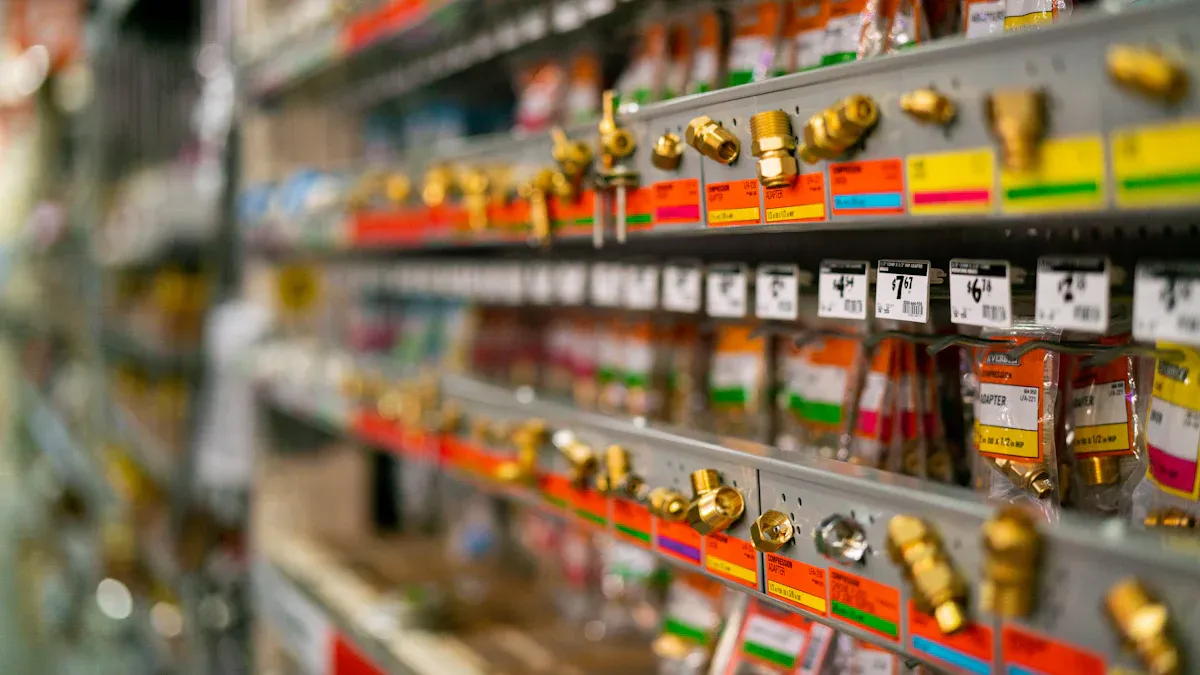
Digital price tags are a transformative technology in the modern retail sector. These devices, formally known as electronic shelf labels, are small, battery-powered displays that show pricing and product data at the shelf edge. Each ESL Price Tag replaces traditional paper labels. They connect wirelessly to a central server through an ESL Gateway AP, enabling instant, store-wide price updates. This digital shift is already widespread, with nearly 60% of retailers having implemented this technology.
The Esl Retail market reflects this momentum, with projections indicating a compound annual growth rate of 15.8% from 2024 to 2030.
How Do Digital Price Tags Work?
The functionality of digital price tags relies on a seamless integration of hardware and software. This ecosystem works together to automate pricing and information display. Understanding its mechanics reveals a sophisticated yet efficient system.
The Core Components
Three primary elements form the backbone of any Electronic Shelf Label (ESL) system. Each component plays a distinct and critical role.
The Digital Tags (E-Paper Displays)
The most visible component is the tag itself. These are not simple LCD screens. They use electronic paper (e-paper) technology, which requires power only when changing the display. This feature gives them a battery life that can last for several years, making them highly efficient for large-scale retail environments.
The Communication Hub (Gateways)
Gateways are the communication bridges in the ESL system. These devices are installed throughout the store and connect the central server to the individual tags. They receive data from the management software and transmit it wirelessly to the labels. The system uses various communication protocols to ensure reliable data transfer.
- Bluetooth Low Energy (BLE) offers an energy-efficient connection ideal for smaller stores.
- Radio Frequency (RF), often using frequencies like 433 MHz or sub-1 GHz, provides excellent range and signal penetration.
- Near Field Communication (NFC) is sometimes included for tap-to-update functionality with a smartphone.
The Central Management Software
The central software is the brain of the operation. This platform allows retailers to manage every tag in the network from a single interface. It processes product information, configures label templates, and packages data for transmission. The software can also automate price changes based on a predefined schedule, ensuring optimal pricing without manual intervention.
The Price Update Process
Changing a price across thousands of labels happens in a simple, three-step process. This workflow eliminates manual labor and guarantees accuracy.
Centralized Price Management
A store employee initiates a price update using the central management software. They can change the price of a single item or an entire product category. This change can be scheduled for a specific time or pushed live instantly.
Wireless Data Transmission
The software sends the new pricing data to the in-store gateways. The gateways then broadcast this digital information across the store's wireless network. The signal is encoded to ensure only the intended labels receive the update.
Instant E-Paper Display Updates
The targeted digital price tags receive the wireless signal. The e-paper display then refreshes to show the new price and promotional information. The entire process, from the initial command to the on-shelf change, is completed in moments.
Key Benefits of Digital Price Tags for Retail Operations
Implementing digital price tags delivers a strategic advantage by transforming core operational processes. The benefits extend beyond simple automation, creating a more agile, efficient, and trustworthy retail environment. These improvements can be grouped into three key areas: pricing strategy, operational efficiency, and pricing accuracy.
Achieve Dynamic Pricing Strategy
The ability to change prices instantly and centrally unlocks powerful dynamic pricing strategies. This agility allows retailers to respond to market conditions in real time, a capability that is impossible with static paper labels.
Instant Promotions and Sales
Retailers can launch store-wide promotions, flash sales, or targeted discounts with a few clicks. There is no lead time required for printing and deploying new labels. This capability allows for creative marketing campaigns that drive foot traffic and increase sales volume. A case study with GreenMart, which used an AI-powered system, highlights the potential:
- Sales increased by 15% within six months of implementing dynamic pricing.
- AI-driven discounts on slow-moving items boosted revenue by 10%.
- Overall profit margins improved by 20% due to smarter pricing decisions. Similarly, major chains like REWE have successfully deployed this technology across more than 1,000 stores, proving its scalability and effectiveness in enabling real-time pricing.
Competitor Price Matching
In a competitive market, reacting to a rival's price changes is critical. Digital labels allow for automated or semi-automated price matching, ensuring a store remains attractive to price-sensitive shoppers. This strategy helps maximize profits and maintain a competitive edge. However, it requires a balanced approach.
| Advantages of Price Matching | Potential Challenges |
|---|---|
| Maintain competitiveness in real time. | Can lead to price wars, eroding margins. |
| Increase customer loyalty and trust. | Adds administrative workload to verify prices. |
| Boost conversion rates with optimal pricing. | Vulnerable to policy abuse from bad actors. |
Happy Hour and Time-Based Pricing
Retailers can implement time-sensitive price changes to influence customer behavior. This includes "happy hour" deals on specific products to draw in afternoon crowds or end-of-day discounts on perishable goods like baked items or fresh produce to reduce waste. This strategy turns slow periods into revenue opportunities. ⏰
Boost Operational Efficiency
Automating the pricing process eliminates one of the most labor-intensive tasks in a store. This newfound efficiency frees up resources and directly impacts the bottom line.
Eliminate Manual Labeling Tasks
Store associates no longer need to spend hours printing, cutting, and replacing thousands of paper labels. The manual process of walking every aisle to update prices is completely removed. This automation saves significant time and eliminates a tedious, error-prone task from daily workflows.
Reallocate Staff to Customer Service
With pricing automated, employees can be reassigned to more valuable, customer-facing roles. They can spend their time assisting shoppers, restocking shelves, improving store presentation, and enhancing the overall customer experience. This shift transforms labor from a maintenance cost into a driver of sales and satisfaction.
Reduce Labor and Material Costs
The efficiency gains translate directly into cost savings. Retailers save money on paper, ink, toner, and printers. More importantly, the reduction in manual labor is substantial.
Studies show that retailers can reduce labor costs related to price updates by approximately 52%.
This significant reduction in operational expenditure is a primary driver for calculating a strong return on investment.
Guarantee Pricing Accuracy
Pricing errors are a major source of customer frustration and legal compliance risk. A digital system ensures perfect synchronization between the shelf and the checkout, fostering a foundation of trust.
Sync Shelf Prices with the POS System
Electronic shelf labels integrate directly with the store's central management and Point of Sale (POS) systems. When a price is updated in the central database, it changes simultaneously on the shelf label and at the checkout scanner. This creates a single source of truth for pricing across the entire store.
Eradicate Pricing Discrepancies
This direct synchronization virtually eliminates pricing discrepancies. A European supermarket chain that implemented electronic labels reported a 90% reduction in pricing errors. Customers are no longer surprised by a different price at the register, preventing disputes and ensuring a smooth checkout process.
Build Customer Trust and Compliance
Consistent and accurate pricing is fundamental to building customer trust. When shoppers know the price on the shelf is the price they will pay, their confidence in the brand grows. This transparency is crucial in the modern retail landscape, where trust is as valuable as product quality. An accurate digital system helps retailers comply with pricing regulations, avoiding potential fines and damage to their reputation. This fosters a reliable shopping environment that encourages loyalty and repeat business.
How Electronic Shelf Price Tags Enhance the Customer Experience
Beyond operational gains, electronic shelf price tags fundamentally reshape the in-store customer journey. They transform static shelves into dynamic sources of information and engagement. This technology empowers shoppers, builds confidence, and creates a more satisfying and interactive retail environment.
Provide Clear and Rich Information
Modern shoppers demand more than just a price. They seek comprehensive data to make informed decisions. ESLs meet this need by serving as miniature information hubs at the point of purchase.
Display Promotions and Stock Levels
These labels clearly highlight active promotions, removing any guesswork for the customer. They can also display real-time stock levels. This transparency helps shoppers know immediately if an item is available or running low, improving their shopping efficiency and reducing frustration.
Use QR Codes for Detailed Product Info
A simple QR code scan with a smartphone unlocks a wealth of information. This feature bridges the gap between the physical product and the vast resources of the internet. Customers can instantly:
- Access detailed product specifications, ingredients, and allergen warnings.
- Read customer reviews and ratings to gauge product quality and value.
- View tutorials or usage instructions to better understand a product.
- Find exclusive digital coupons or sign up for loyalty programs.
This immediate access to information empowers customers, reduces purchasing barriers, and fosters greater confidence in their buying decisions.
Show Unit Pricing and Allergy Warnings
Clarity is essential for consumer safety and smart shopping. Electronic shelf price tags can prominently display critical data like price per ounce or kilogram, helping customers compare value between different product sizes. They can also feature icons or text for common allergy warnings, providing an extra layer of safety for shoppers with dietary restrictions.
Ensure Reliable and Trustworthy Pricing
Pricing accuracy is the bedrock of customer trust. When shoppers feel confident that the price on the shelf is correct, their perception of the brand improves significantly.
Accurate Prices on Every Shelf
The direct link between the central server and the labels ensures the price displayed is always the price charged at checkout. This eliminates the common frustration of price discrepancies. Shoppers can fill their carts with confidence, knowing there will be no unpleasant surprises at the register.
A Consistent Shopping Environment
In today's omnichannel world, customers interact with brands both online and in-store. Inconsistent pricing between these channels can cause confusion and damage a brand's reputation.
Discrepancies in pricing or promotions between a retailer's website and its physical store can frustrate shoppers. This inconsistency may drive them to competitors who offer a more unified and seamless experience.
Electronic shelf price tags help create a consistent pricing environment. They ensure that in-store prices align perfectly with online promotions, building a foundation of trust and reliability.
Enable Enhanced In-Store Engagement
ESLs are not just passive displays; they are interactive touchpoints that can deepen a customer's connection with a product and the brand. This technology helps create a more fluid and engaging shopping experience.
Link to Product Reviews and Ratings
By displaying average star ratings directly on the label or linking to them via a QR code, retailers bring a key element of online shopping into the physical store. This social proof helps customers make decisions with greater confidence, especially when trying a new product.
Share Product Origins and Sourcing
Today's consumers are increasingly interested in the story behind their products. Labels can display information about a product's origin, sourcing ethics, or sustainability credentials. This transparency appeals to conscious consumers and helps build a stronger brand narrative.
Connect to Online Wishlists or Carts
Advanced electronic shelf price tags can integrate with a retailer's mobile app. Shoppers can scan a label to add an item to a digital wishlist for later or even add it directly to an online cart for a future purchase. This feature seamlessly bridges the gap between in-store browsing and online shopping, creating a truly customer-centric journey.
What Is Required to Implement Digital Price Tags?
Successfully implementing digital price tags requires a combination of physical hardware and sophisticated software integrations. This foundational setup ensures the system operates efficiently and delivers its full range of benefits. A deployment involves establishing the core infrastructure and then connecting it to critical retail management systems.
Essential Infrastructure
The physical components form the visible, functional backbone of the system within the store. Each element has a specific purpose.
The Electronic Shelf Labels
The primary hardware component is the collection of electronic shelf labels themselves. These e-paper displays are installed on the shelves to show product information. They are chosen based on size, display capabilities, and battery life requirements for the specific retail environment.
Wireless Communication Gateways
Gateways are the network devices installed throughout the store. They act as communication bridges. These hubs receive data from the central server and transmit it wirelessly to the labels, ensuring reliable and complete store coverage.
Central Management Software
This software is the command center for the entire system. Retailers use this platform to control every label, manage pricing data, and schedule updates. It provides a centralized interface for overseeing the entire network of displays.
Critical System Integrations
True operational power is unlocked when the ESL system is integrated with a retailer's existing software ecosystem. This creates a single, unified source of data.
Connecting to Point of Sale (POS)
Connecting to the POS system is essential for pricing accuracy. This integration ensures the price on the shelf always matches the price at checkout. The connection typically relies on Application Programming Interfaces (APIs) to sync data.
- Catalog API: Manages product information like names, prices, and barcodes.
- Inventory API: Handles real-time stock counts for each product.
- Discounts API: Controls promotional data, applying sales and special offers.
Integrating with ERP Systems
Integration with an Enterprise Resource Planning (ERP) system provides centralized control over the entire retail operation. This link allows a business to deploy nationwide promotions or regional price adjustments instantly. It connects the ESL system to backend solutions, creating a seamless flow of information that automates price changes and reduces labor costs.
Linking with Inventory Management
A direct link to inventory management software makes the digital ecosystem truly intelligent. This integration ensures pricing can reflect real-time stock levels. Retailers can define rules to automatically create markdowns for items with excess stock. The system can also display low-stock warnings on labels, helping both customers and staff make better decisions.
Key Considerations Before Investing in Electronic Shelf Price Tags
An investment in electronic shelf price tags is a significant strategic decision. It requires careful planning and consideration of financial, physical, and human factors. A thorough evaluation of these areas ensures a smooth deployment and maximizes the long-term value of the technology.
The Financial Commitment
Understanding the full financial scope is the first step. This includes both the initial outlay and the projected returns over time.
Initial Hardware and Software Costs
The primary investment involves purchasing the necessary hardware and software. This includes the electronic shelf price tags themselves, the wireless gateways for communication, and the central management software license. Costs can vary significantly based on the store's size, the number of labels required, and the features selected, such as full-color displays or NFC capabilities. Retailers must budget for the complete system to avoid unexpected expenses during implementation.
Calculating Return on Investment (ROI)
Calculating the ROI is critical for justifying the investment. The payback period for electronic shelf price tags is typically driven by savings in labor, paper, and ink, as well as increased revenue from dynamic pricing. While the timeframe varies, many retailers see a positive return relatively quickly.
The payback period depends on the store type and scale of deployment. For example, some electronics retailers report an ROI within one year, while larger food groups might see a return in approximately 3.5 years.
| Category | Typical ROI / Payback Period |
|---|---|
| General Retailers | 12 to 36 months |
| Small Retail Stores | 1 to 3 years |
| Maurer’s Market | 1.5 to 2.5 years |
| TRUNO (30,000-tag system) | 2 to 3 years |
The Physical Store Setup
The store's physical environment plays a crucial role in the system's performance. Proper planning ensures reliable communication and an efficient installation process.
Store Layout and Gateway Placement
The placement of wireless gateways is essential for ensuring complete coverage. A site survey should be conducted to map out the optimal locations for these communication hubs. Factors like store size, shelving materials, and potential signal obstructions must be considered to guarantee that every digital tag can receive updates reliably.
The Installation and Deployment Process
The deployment process involves physically installing the labels on the shelves and configuring the system. This is often done in phases to minimize disruption to store operations. The installation team will mount the gateways, attach the labels, and test the network to confirm that all components are communicating correctly.
The Human Element
Technology is only as effective as the people who use it. Proper training and ongoing management are key to successful adoption.
Staff Training and System Adoption
A comprehensive training program is vital for staff to embrace the new system. Employees need to feel confident managing the technology. Effective training often includes:
- Hands-on sessions for using the content management system.
- Instructional videos and user-friendly operation guides.
- On-site support during the initial installation and testing phases.
This ensures staff can handle routine tasks like associating new products with labels and troubleshooting minor issues.
Ongoing System Management
After the initial setup, the system requires ongoing management. This includes monitoring the network for performance, managing battery life on the labels, and training new employees. A designated team or individual should be responsible for overseeing the system to ensure it continues to operate smoothly and deliver its intended benefits.
The Future of In-Store Retail Pricing Technology
The technology behind in-store pricing is evolving rapidly. Electronic shelf labels are at the forefront of this transformation, moving beyond simple price displays to become interactive, intelligent endpoints. Future developments promise to further integrate the physical shelf with the digital ecosystem, creating smarter and more responsive retail environments.
Emerging Trends in ESL Technology
Innovation in ESL hardware and software is unlocking new capabilities. These advancements are focused on richer visual communication, enhanced connectivity, and data-driven intelligence.
Full-Color and HD Displays
The next generation of labels features vibrant, full-color e-paper displays. Technologies like E Ink Spectra™ 6 are enabling richer color gamuts and faster refresh speeds. These high-definition screens transform labels into miniature digital signs. They can display eye-catching promotions, product images, and brand logos with paper-like readability. This enhanced visual communication makes information more engaging and easier to understand at a glance.
NFC and Bluetooth Integration
Modern labels increasingly include Near Field Communication (NFC) and Bluetooth Low Energy (BLE) technology. This connectivity turns a passive label into an interactive touchpoint. Shoppers can tap their smartphones to access detailed product information, watch videos, or receive personalized coupons. This integration supports a more engaging and data-driven marketing approach right at the shelf.
AI-Powered Dynamic Pricing
Artificial intelligence is making dynamic pricing more sophisticated. AI algorithms analyze vast amounts of data in real time. This data includes competitor prices, inventory levels, demand patterns, and even customer dwell time. The system then automatically adjusts prices to maximize profitability and reduce waste. For example, AI can trigger markdowns on perishable goods nearing their expiration date or adjust prices in response to a competitor's flash sale.
The Role in Omnichannel Retail Strategy
Electronic shelf labels are a critical tool for executing a successful omnichannel strategy. They help create a seamless and consistent experience for customers across all shopping channels.
Bridging Online and In-Store Pricing
ESLs eliminate the pricing gap between a retailer's website and its physical stores. They ensure that online promotions and price changes are reflected instantly on the shelf. This synchronization provides a consistent experience for shoppers, building trust and preventing the frustration that arises from price discrepancies.
Supporting Click-and-Collect Services
These labels enhance "buy online, pick up in-store" (BOPIS) services. They can display order information or guide staff to the correct products for fulfillment. This integration streamlines the click-and-collect process, making it faster and more efficient for both employees and customers.
Personalizing In-Store Offers
By connecting with a retailer's mobile app, ESLs can deliver personalized offers to shoppers in the aisle. A customer's browsing history or loyalty status can trigger a unique discount displayed on the label or sent to their phone. This capability brings the personalization of online shopping into the physical retail space, creating a more tailored and engaging journey.
Addressing Common Concerns About Digital Price Tags
While the benefits of electronic shelf labels are clear, adopting any new technology raises valid questions. Retailers must address potential concerns regarding consumer perception, data security, and system reliability to ensure a successful implementation.
Consumer Perception of Price Changes
The ability to change prices instantly is a powerful tool. However, shoppers may view frequent price adjustments with skepticism if not handled carefully.
Surge Pricing vs. Dynamic Promotions
Consumers often associate price changes with "surge pricing," where costs increase based on high demand. Studies show that shoppers perceive paying more than others for the same product as unfair, which can erode trust. The key is to frame price changes as value-added promotions rather than exploitative tactics. Retailers should focus on offering discounts, flash sales, and personalized deals that benefit the customer, not just raising prices during peak times.
Communicating Value to Shoppers
Transparency is essential for building customer acceptance. Failing to explain price changes can lead to significant backlash and damage a brand's reputation.
"The biggest drawback to dynamic pricing is potential customer backlash and damage [to] brand value. When customers see prices changing without any justification or reason, then they can feel taken advantage of." – Nabeel Siddiqi, founder and CEO of Moksha AI
Retailers can build trust by clearly communicating why prices change. Simple statements on checkout pages or in-store signage can explain that adjustments help manage inventory and pass savings to customers. Brands like Amazon and MediaMarkt use customer preferences to tailor offers, making each deal feel relevant and valuable.
Data Security and System Reliability
A connected digital system introduces new considerations for security and operational stability. Protecting the network and ensuring constant uptime are critical priorities.
Securing the Wireless Network
An unsecured wireless network poses significant risks. These threats include:
- Unauthorized Access: Hackers could gain control of the pricing system.
- Data Tampering: Malicious actors might alter prices, causing financial loss and customer confusion.
- Phishing Attacks: Fake QR codes could be displayed on labels to steal personal information.
To counter these threats, modern ESL systems employ robust security measures. Data transmission is protected with advanced encryption technology to safeguard against unauthorized access and prevent data breaches.
Ensuring System Uptime
System failures can be disruptive, leading to incorrect prices and requiring store closures. To ensure reliability, retailers should invest in high-quality hardware and have strong vendor support. Key indicators of a reliable system include:
- Hardware Durability: Labels with an IP65 rating for dust and moisture resistance.
- Long Battery Life: A lifespan of over five years to reduce maintenance.
- Stable Connectivity: Use of modern protocols like Bluetooth 5.0 for consistent updates.
- Proactive Support: 24/7 technical support and monitoring tools to detect and resolve issues before they impact operations.
Digital price tags are a transformative tool for modern retail, enabling automated price management. They create accurate and dynamic store environments by eliminating manual errors. Implementing electronic shelf price tags is a foundational step toward building a truly "smarter store." The value of electronic shelf price tags extends beyond efficiency. Adopting electronic shelf price tags prepares any business for a competitive digital future.
FAQ
What is an electronic shelf label (ESL)?
An electronic shelf label is a digital display that shows product pricing and information at the shelf. It replaces traditional paper labels. ESLs connect to a central server, allowing retailers to update prices instantly across an entire store.
How long do the batteries in digital price tags last?
Digital price tags use e-paper technology, which consumes very little power. The batteries only use energy when the display changes. This efficiency allows the batteries in most labels to last for several years, often five or more, reducing maintenance needs.
Are electronic shelf labels expensive?
The initial investment includes hardware, software, and installation. Costs vary by store size and label features. However, retailers often achieve a strong return on investment (ROI) through reduced labor costs, fewer pricing errors, and the ability to implement dynamic pricing strategies.
How do ESLs receive price updates?
A central management software sends new price data to wireless gateways in the store. These gateways then transmit the information to the specific labels using radio frequency or Bluetooth. The entire process is wireless and takes only moments to complete.
Can digital price tags display more than just the price?
Yes. Modern labels can show a wide range of information.
- Promotional details and sales
- Real-time stock levels
- Unit pricing (e.g., price per ounce)
- QR codes for more product data
- Allergy warnings or product origins
Is the ESL system secure from hacking?
Modern ESL systems use robust security measures to protect the network.
Data transmissions are protected with advanced encryption. This security protocol safeguards against unauthorized access and prevents malicious actors from tampering with prices, ensuring the integrity of the system.
What is the main benefit of using digital price tags?
The primary benefit is achieving 100% pricing accuracy. Digital tags sync shelf prices directly with the point-of-sale (POS) system. This eliminates discrepancies, builds customer trust, and ensures compliance with pricing regulations, creating a reliable shopping environment.