Beyond the Sticker Comparing All Your Retail Labeling Options

Traditional labeling methods present significant challenges for modern retail operations. Manual pricing updates using paper price tags often lead to errors, with studies showing error rates around 3%. This inaccuracy can erode customer trust and affect profits.
In contrast, digital solutions offer a path to greater efficiency. An Esl Retail environment utilizes an ESL Gateway AP to communicate with each ESL Price Tag, enabling instant, store-wide updates.
Electronic Shelf Labels automate pricing and reduce mistakes. Retailers often see a return on their investment in two to three years. The choice between static paper labels and dynamic digital ones requires balancing initial costs with long-term operational goals.
The Enduring Standard: Traditional Price Tags

Traditional price tags remain a familiar sight in many retail environments. Their simplicity and low initial cost make them an accessible choice for businesses of all sizes. These labels serve the fundamental purpose of communicating price information directly to the customer at the point of selection.
The Role of Paper Price Tags
Paper price tags are the most basic form of retail labeling. Retailers use them to display pricing, product codes, and sometimes brief descriptions. The materials for paper price tags vary widely, allowing for some customization in appearance and durability. Common options include:
- Manila or standard paper
- Form Style Cardstock Tags
- Multi-Part and Perforated Tags
- Recycled Paper Tags
- Colored Retail Tags
This variety allows stores to match paper price tags to their branding, but the core function remains static information display.
Price Gun Labels and Tagging Guns
Price gun labels offer a slight improvement in efficiency over handwritten tags. Employees use these tools to print and apply small adhesive labels to products or shelves. Tagging guns perform a similar function, attaching plastic fasteners to apparel and soft goods. While faster for application, these methods still require manual data entry for each pricing update, leaving them vulnerable to human error.
Hidden Costs of Traditional Price Labels
The apparent affordability of traditional price labels masks significant operational expenses. For a medium-sized retailer, annual labor costs for manual updates can exceed $10,000. This expense comes from employees spending hours each week printing, cutting, and replacing labels. These recurring material and labor costs add up quickly.
Beyond direct expenses, the financial impact of errors is substantial. Studies estimate that retailers lose over $90,000 annually from labor and losses tied to manual price changes, including pricing discrepancies. These hidden costs of traditional price labels make them a less economical solution in the long run. The manual nature of traditional price tags directly contributes to these ongoing financial drains.
The Digital Leap: Electronic Shelf Labels (ESLs)
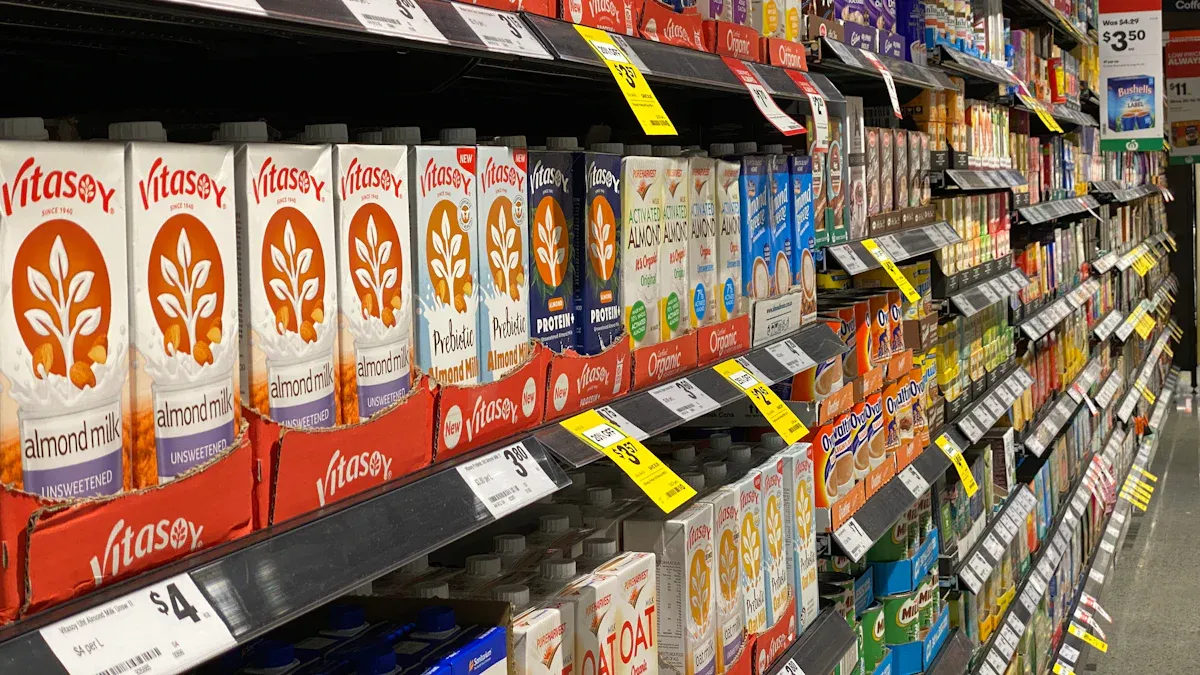
Electronic Shelf Labels (ESLs) represent a significant technological advancement in retail operations. These systems replace static paper price tags with dynamic, battery-powered pricing displays. They connect a retailer’s central pricing database directly to the shelf edge, enabling instant and accurate price updates across thousands of labels simultaneously.
How Digital Price Tags Work
An ESL system consists of three main components: management software, a communication station (or gateway), and the electronic pricing labels themselves. The software processes product and pricing information from the store's central server. It then sends this data to the communication station. The station transmits the price updates wirelessly to the correct digital price tags on the sales floor.
While systems can use various communication technologies, the ESL market predominantly utilizes radio frequency-based solutions. Other available technologies include:
- Infrared (IR)
- Near-field Communications (NFC)
- Visible Light Communication (VLC)
This architecture ensures that every price change is executed accurately and efficiently from a single point of control.
Core Benefits of Automation
The primary advantage of electronic pricing labels is the automation of price updates. Manual changes are labor-intensive and prone to error. Automated price updates eliminate these challenges entirely. Retailers can achieve a dramatic reduction in labor costs, with some stores reporting savings as high as 98% on pricing-related tasks. This newfound efficiency allows employees to shift their focus from tedious administrative work to more valuable activities, such as assisting customers and improving store presentation. The system guarantees that the displayed price always matches the checkout price, which builds customer trust and prevents losses from pricing discrepancies.
Beyond Price: Enhanced Information Display
Modern digital pricing displays offer capabilities far beyond simple pricing. These advanced labels can show a wealth of information to engage customers and support store operations. For example, smartcircle digital price tags can display stock levels, promotional details, and competitor pricing. Other useful information includes:
- Nutritional facts and allergen warnings
- Customer reviews and ratings
- QR codes linking to product web pages or videos
These rich pricing displays transform static labels into interactive touchpoints. They empower shoppers with valuable data at the point of decision, creating a more informative and satisfying in-store experience.
Head-to-Head: Traditional vs. Digital Price Tags
Choosing a labeling system requires a direct comparison of traditional and digital methods across key business metrics. Retailers must weigh the immediate simplicity of paper against the long-term strategic advantages of automation. This analysis explores how each approach performs in terms of cost, efficiency, and accuracy.
Cost: Upfront Investment vs. Long-Term ROI
The most significant difference between the two systems is their cost structure. Traditional price labels have a very low initial cost, making them attractive for businesses with tight budgets. The primary expenses are paper, ink, and the price guns themselves. However, these low upfront costs conceal recurring expenses for materials and the labor required for manual price updates.
Electronic Shelf Labels demand a substantial upfront investment. The cost per unit varies based on features and complexity.
- Basic models: Typically range from $5 to $10 per unit for smaller, simple displays.
- Advanced models: Can cost anywhere from $15 to $50 or more for larger labels with color displays.
- Customization options: Features like NFC functionality or LED lighting can further increase the cost.
While the initial outlay is high, ESLs deliver a strong long-term return on investment (ROI). The savings come from eliminating material costs and drastically reducing labor. Many retailers find the investment pays for itself relatively quickly.
Brian Salzman, an expert with ESL provider Aperion Solutions, notes that grocery stores can see a payback period between 18 months and two years by choosing the right functionalities.
The typical ROI timeline for supermarkets ranges from 18 to 36 months. Faster returns are common in larger stores with frequent price changes. This long-term financial benefit makes digital pricing displays a strategic investment rather than just an operational expense.
Efficiency: Labor and Operational Workflow
Operational efficiency is where digital solutions create the most significant impact. The process of updating traditional price tags is notoriously slow and labor-intensive. Changing a single paper label can take up to two minutes. This manual process consumes valuable employee hours that could be dedicated to customer service or merchandising.
ESLs automate the entire process of price updates, transforming a multi-day task into a matter of minutes. The difference in speed is dramatic.
| Label Type | Time to Change Store-Wide Prices |
|---|---|
| Electronic Shelf Labels | A few minutes |
| Manual Paper Labels | Four to five days |
This automation revolutionizes store workflows. Retailers like Office Shoes adopted ESLs to reduce back-office tasks, which allowed staff to focus more on customers. Similarly, healthcare systems like Multicare use digital labels to streamline inventory management, reducing the time clinical staff spend on non-core supply chain activities. By automating price changes and integrating with other systems, ESLs free up employees, reduce operational bottlenecks, and allow for rapid adaptation to market trends.
Accuracy: Eliminating Pricing Errors
Pricing accuracy directly impacts customer trust and a store's bottom line. Manual systems are inherently prone to human error. The error rate for traditional price tags can range from 5% to 10%, with some studies reporting a 6% replacement error rate for paper labels. These mistakes lead to pricing discrepancies at checkout, frustrating customers and causing potential revenue loss.
ESL systems virtually eliminate these errors. Because the pricing displays are linked directly to the central server, the price on the shelf always matches the price at the point of sale. Manual pricing processes have an error rate of 5-8%, whereas ESL solutions maintain accuracy rates above 99.9%. This level of precision is impossible to achieve with traditional price labels.
| Aspect | Digital Price Tags (ESLs) | Paper Price Tags |
|---|---|---|
| Pricing Error Rate | Below 0.1% | 5% - 10% |
| Accuracy | Extremely High | Lower, prone to human error |
Adopting digital pricing displays leads to a significant reduction in pricing errors. Retailers report that this enhanced accuracy not only prevents financial losses but also strengthens customer confidence. Shoppers trust that the pricing is correct, which improves their overall experience and loyalty to the brand.
Customer Experience: Trust and Engagement
The choice between labeling systems extends far beyond operational metrics; it directly shapes the customer experience. Accurate pricing and clear information are foundational to building shopper trust, while interactive features can transform a routine shopping trip into an engaging journey.
Traditional paper labels often create friction. Discrepancies between the shelf price and the checkout price are a major source of frustration for consumers. These errors can lead to perceptions of untrustworthiness or even price manipulation, damaging brand credibility. Electronic Shelf Labels eliminate this issue entirely. They ensure consistent and accurate pricing across all channels, from the shelf to the point of sale and online. This reliability builds a strong foundation of trust, enhancing customer satisfaction and encouraging repeat business.
By ensuring pricing clarity, digital labels minimize misunderstandings at checkout. This transparency significantly improves the overall customer experience. Furthermore, automating updates frees employees to dedicate more time to direct customer service, making shoppers feel more valued and fostering greater loyalty.
Modern digital labels also create new opportunities for engagement that paper cannot match. They turn a static shelf edge into an interactive touchpoint.
- QR Codes and NFC: Advanced labels can feature scannable QR codes or Near Field Communication (NFC) technology. With QR code usage growing, consumers are accustomed to scanning for more information. A simple scan with a smartphone can direct a shopper to a webpage with detailed product specifications, user reviews, or exclusive discounts.
- Visual Cues: Multi-colored blinking LEDs on ESLs can provide instant visual information. For example, a retailer could program green LEDs to indicate vegan-friendly products, red for sale items, and blue for new arrivals. This visual communication creates a simple, effective interaction between consumers and the brand.
- Interactive Navigation: Some advanced systems offer features like "Touch Finding." A customer can select a product on an in-store kiosk, and the LED on the corresponding shelf label will blink, guiding them directly to the item's location.
These interactive features empower shoppers with information at the moment of decision. They elevate the in-store customer experience from a simple transaction to an informative and engaging activity, giving physical retailers a distinct competitive advantage.
Which Labeling Method Fits Your Business?
Selecting the right labeling system depends on a business's scale, budget, and operational complexity. A small, single-location shop has different needs than a national supermarket chain. Analyzing the specific demands of your retail environment is the first step toward choosing a solution that supports your long-term goals.
For Small Boutiques and Shops
Small boutiques and independent shops often operate with limited budgets and less frequent price changes. For these businesses, traditional labeling methods can provide a practical and affordable starting point.
The 'Static Case Labeling Scale' offers a cost-effective manual solution. It helps businesses streamline processes without the high cost of automation. This approach aligns well with the financial constraints of smaller retail operations.
Durable materials can also enhance traditional labels.
- Synthetic paper creates resilient inventory tags that withstand operational wear, reducing replacement frequency.
- Removable synthetic labels are ideal for temporary applications like seasonal sales or new arrivals. They can be cut to any size and repositioned without leaving residue.
While traditional methods are economical upfront, entry-level digital options are becoming more accessible. Electronic shelf labels are a viable choice for small shops, with some units costing between $5 and $12. Bulk purchases can further reduce this per-unit price. As the retail industry evolves, even small businesses can consider a phased transition to digital labels to improve efficiency and accuracy.
For Supermarkets and Large Retailers
Supermarkets and large retailers manage thousands of products and frequent promotions, making manual labeling a significant operational burden. For these businesses, Electronic Shelf Labels are a transformative investment. The benefits extend across every facet of the operation.
ESLs enable real-time, error-free price updates across all locations. This capability allows for automated promotions and dynamic pricing strategies, such as flash sales. The system eliminates the labor costs associated with printing and replacing paper labels, freeing employees to focus on customer service and other value-added tasks. This shift dramatically improves operational efficiency and employee productivity.
The impact on the customer experience is profound. Clear, high-contrast digital displays ensure pricing is always readable and accurate. Interactive features like QR codes give shoppers instant access to product details, ingredients, and reviews, enriching their in-store journey.
Key advantages for large-scale retail include:
- Improved Inventory Management: ESLs offer real-time stock tracking and automated low-stock alerts, helping to prevent shortages and reduce waste from expired goods.
- Agile Pricing Strategies: Retailers can adjust prices instantly based on demand, competitor pricing, or regional trends to maximize profit margins.
- Enhanced Sustainability: The system reduces paper waste and uses energy-efficient e-ink technology, supporting corporate eco-friendly goals.
For Specialty Stores like Electronics
Specialty stores, particularly those selling electronics, must convey complex technical information at the shelf edge. Traditional paper tags lack the space and flexibility to display these details effectively. Electronic Shelf Labels offer the ideal solution for presenting rich product data.
High-resolution digital labels provide a clear and attractive display for detailed specifications. Retailers can use different label sizes to match the display needs of various gadgets, from small accessories to large televisions.
ESL features that benefit specialty stores include:
- Multi-Page Capacity: Some labels can store up to seven pages of information. This allows retailers to display everything from basic pricing to in-depth specs like RAM, storage, and processor speed.
- Full-Graphic E-Ink Displays: This technology offers a paper-like, glare-free reading experience. It improves the visibility of complex technical data for customers.
- Flexible Sizes: With a wide range of sizes available, from 1.6” to 11.6”, stores can choose larger labels for products like laptops and TVs where more information is necessary.
These advanced labels transform the shelf edge into a valuable information hub. They empower customers in the retail industry to make informed purchasing decisions directly at the point of selection.
Planning Your Transition to Digital Labels
Transitioning to electronic pricing labels requires careful planning to ensure a smooth and successful implementation. A strategic approach minimizes disruption and maximizes the return on investment. It begins with a thorough evaluation of existing infrastructure and ends with selecting the right technology partner.
Assessing Your Current Systems
Before adopting electronic pricing labels, a retailer must evaluate its current technology stack. The server supporting the new system needs to integrate seamlessly with existing retail management platforms, including POS and ERP systems. This assessment helps determine the necessary specifications for the new labels. Key integration considerations include:
- API and Middleware: An ideal ESL system offers open APIs for easy integration, especially with cloud-based POS platforms. For legacy systems without native support, middleware solutions act as a bridge to facilitate communication.
- Hardware Limitations: Older checkout stations may not support real-time price syncing, potentially requiring hardware upgrades.
- Vendor Collaboration: Working with an ESL vendor to understand their system's capabilities is vital for a successful integration.
Phased Rollout vs. Full Implementation
When implementing new technology, retailers must choose between a full, store-wide deployment and a gradual, phased rollout. A phased approach is often the most effective strategy for managing complexity and investment.
Research shows that more than 50% of organizations prefer a gradual rollout for new technology. This method allows teams to identify and resolve issues in a pilot program before a full-scale deployment.
This strategy helps mitigate challenges like staff adaptation and integration with older systems. It allows a business to learn and adjust, ensuring the broader implementation of smartcircle digital price tags proceeds smoothly. A phased rollout turns a potentially overwhelming project into a manageable series of steps.
Key Questions for ESL Vendors
Choosing the right vendor is as important as choosing the right technology. Retailers should ask targeted questions to understand the long-term value and support they will receive. A critical area of inquiry is the battery life and maintenance of the electronic pricing labels.
Key questions to ask include:
- What is the average battery life of your labels under typical usage conditions?
- Which factors, such as update frequency or temperature, most affect battery performance?
- What is the process for replacing batteries? Do you offer an RMA service for battery replacement?
A typical e-paper label can last 5 to 10 years, but this varies. Understanding the vendor's specific performance metrics and support for their labels ensures the new pricing system remains a reliable, long-term asset.
The retail industry is moving beyond traditional paper price tags. While paper price tags offer a basic function, their manual nature creates operational challenges. Electronic Shelf Labels represent a strategic investment, improving pricing accuracy and efficiency. The limitations of paper price tags are clear when compared to dynamic digital labels. Aligning a labeling strategy with business goals is crucial for long-term success, as the era of static paper price tags evolves.
A Colorado grocer's transition from paper price tags was met with enthusiasm. Customers remarked, "These are the digital price tags we heard about — this is awesome!"
This positive reception reflects a broader trend. The global ESL market is projected to grow at a 19.01% CAGR, showing a clear industry shift.
FAQ
Are electronic shelf labels worth the cost?
Yes, for many retailers. Electronic Shelf Labels require a higher initial investment than paper. However, they deliver a strong return on investment by eliminating recurring material costs and drastically reducing labor hours spent on manual price changes. The long-term savings often justify the upfront expense.
How do ESLs integrate with existing POS systems?
ESL systems connect to a store's central database. Most modern solutions offer open APIs for seamless integration with Point of Sale (POS) and Enterprise Resource Planning (ERP) software. This connection ensures price synchronization between the shelf and the checkout, eliminating discrepancies.
How long do digital price tags last?
Digital price tags are durable assets. Most e-paper labels have a battery life of 5 to 10 years under normal operating conditions. The longevity depends on factors like:
- Frequency of price updates
- Operating temperature
- Label model and features
What is the main advantage of ESLs over paper tags?
The primary advantage is automation. ESLs allow retailers to update thousands of prices instantly and accurately from a central system. This process eliminates the slow, error-prone manual labor required to print and replace individual paper price tags, improving operational efficiency.