How to Choose the Best Digital Price Tags in 2025
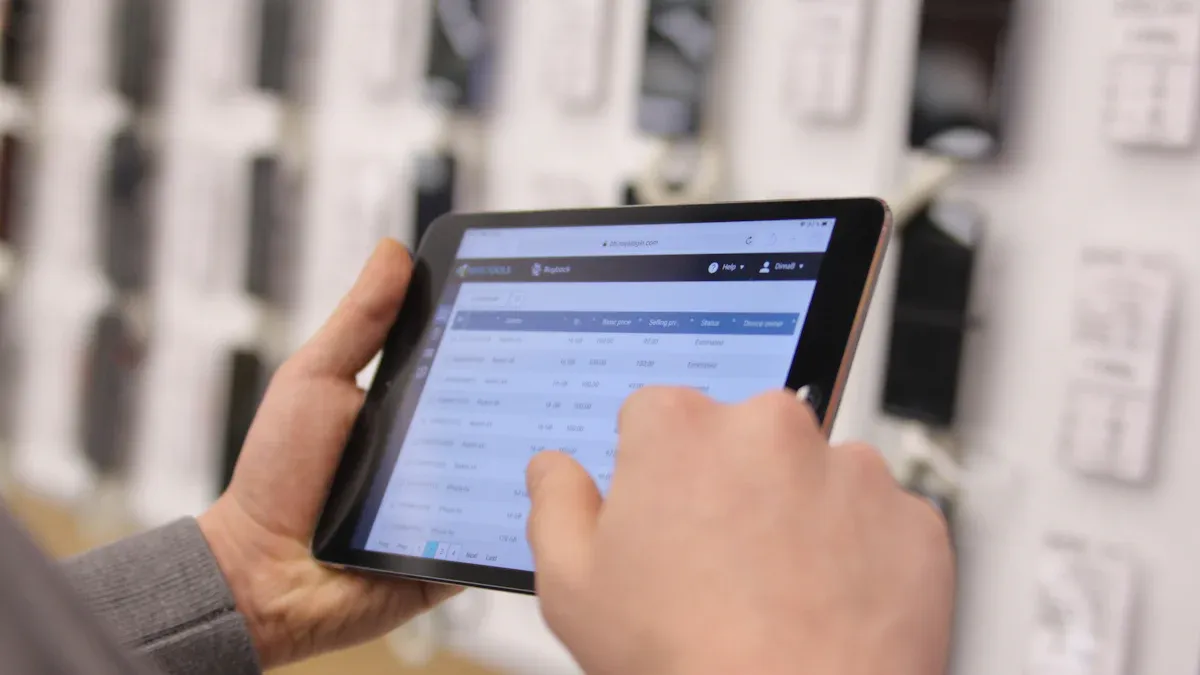
The Esl Retail market is expanding rapidly. Projections show a growth rate of around 12% starting in 2025. You must choose digital price tags that align with your operational goals. Your selection process for digital price tag solutions demands careful evaluation. Consider these key areas:
- Technology: Evaluate the core digital hardware. This includes the ESL Price Tag display and the ESL Gateway AP for connectivity.
- Integration: Assess software compatibility. Your digital shelf labels must sync with existing systems.
- Application: Match esl features to your retail environment. Multi-color digital shelf labels suit different needs.
- Investment: Analyze the total cost. This helps you select the right electronic shelf labels and esl system.
Your final choice of esl digital shelf labels impacts store efficiency. The right digital shelf labels and digital price tags provide a competitive edge.
Key Considerations for Selecting Digital Price Tags

Making the right choice involves a deep dive into the technology that powers these systems. The key considerations for selecting your solution will determine its performance, reliability, and long-term value. You must analyze the display, connectivity, and maintenance requirements to find the perfect fit for your store.
Display Technology: E-Paper vs. LCD
The display is the most visible component of your digital shelf labels. Your choice between E-Paper and LCD technology directly impacts readability, power consumption, and overall aesthetic.
- E-Paper (E-Ink): These digital shelf labels mimic the appearance of ink on paper. They offer exceptional readability in all lighting conditions. Bright ambient light actually improves their visibility, just like a printed page. E-Paper displays are bistable, meaning they only consume power when the content updates. This efficiency is a major advantage.
- LCD (Liquid Crystal Display): LCD screens use backlights to illuminate pixels, creating vibrant and colorful images. This makes them effective for eye-catching promotions. However, they require constant power to remain on. In brightly lit environments, their backlights can be overpowered, leading to glare and reduced visibility.
To help you decide, compare the core differences between these two digital display types:
| Feature | E-Paper Digital Price Tags | LCD Digital Price Tags |
|---|---|---|
| Power Consumption | Consumes energy only during updates. | Requires a continuous power supply for backlighting. |
| Readability | Excellent in bright light; reflects ambient light. | Best in low-light; can appear washed out in bright light. |
| Ideal Use Case | Standard pricing and long-term energy savings. | High-impact promotional and multimedia displays. |
Connectivity: RF, Wi-Fi, and Bluetooth
Your digital shelf labels must communicate with a central system to receive price updates. The connectivity protocol you choose is the backbone of your esl infrastructure, enabling real-time updates across the store.
You have several options, each with unique benefits:
- Radio Frequency (RF): RF is a common choice for large retail environments. It operates on a dedicated frequency, ensuring fast and reliable updates for thousands of esl tags without interfering with your store's Wi-Fi network.
- Wi-Fi: Using your existing Wi-Fi network can simplify installation. However, a large number of digital shelf labels can create network congestion, potentially disrupting other Wi-Fi-dependent services like public Wi-Fi or staff devices.
- Bluetooth: This technology provides reliable data exchange within a limited range. It is an excellent option for smaller stores or specific departments where a contained and stable connection is needed for your esl system.
Battery Life and Maintenance
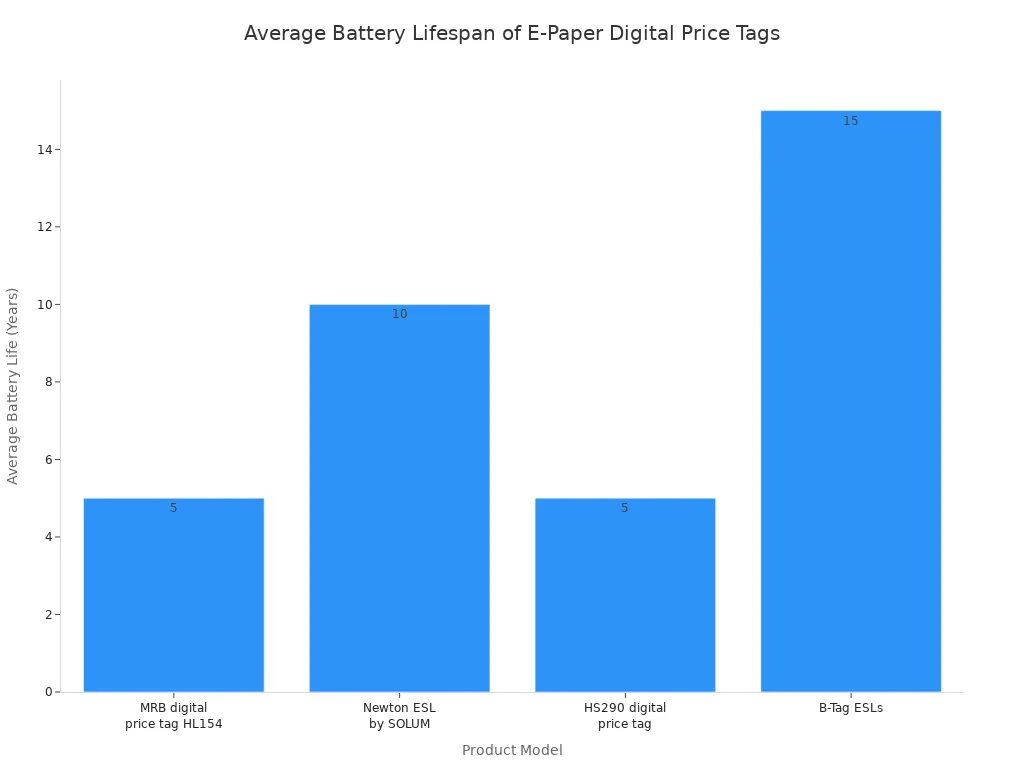
The longevity of your digital price tags is crucial for calculating your return on investment. Battery life and maintenance needs are practical factors that affect daily operations. E-Paper esl tags are the clear leader in energy efficiency.
E-Ink electronic shelf labels outperform LCD-based tags by lasting 5 to 10 years on a single battery, even with regular updates.
This extended lifespan minimizes the labor required for battery replacements. Some advanced esl systems, like SOLUM’s Newton platform, push this even further. They can achieve a battery life of up to ten years. The frequency of your price updates will influence the exact lifespan, but the benefits are significant. Most digital shelf labels in real-world settings last between 5 and 10 years with two or three updates per day.
When you choose digital price tags, you should also consider durability. Look for tags with high IP ratings (e.g., IP65/68) to protect against dust and water. This is especially important in environments like grocery stores. Investing in dependable hardware from the start reduces long-term repair costs and ensures your digital system runs smoothly.
How to Choose Digital Price Tags Based on Software and Integration
An excellent digital price tag system is more than just hardware. The software that powers your digital shelf labels is the engine driving efficiency, accuracy, and security. You must ensure the system integrates smoothly with your existing retail infrastructure. This section will guide you through evaluating software compatibility, management platforms, and data security protocols.
POS and Inventory System Compatibility
Seamless integration is non-negotiable. Your digital price tags must communicate flawlessly with your Point of Sale (POS) and inventory management systems. Poor compatibility creates data silos, defeats the purpose of automation, and leads to pricing errors. Before you choose digital price tags, you must confirm their compatibility with current systems.
Legacy systems often present significant integration challenges. You should be aware of these potential hurdles:
- Software and API Access: Many older systems lack modern Application Programming Interfaces (APIs). This limitation prevents them from communicating with third-party esl software.
- Cloud vs. On-Premise: On-premise inventory systems may require complex custom configurations. Cloud-based platforms, in contrast, often sync more easily with modern esl solutions.
- Hardware Limitations: Outdated checkout hardware might not support the real-time updates needed for your digital shelf labels, forcing costly upgrades.
Pro Tip: Request a live demonstration from potential vendors. Ask them to show you how their esl software connects with a system similar to yours. This is the best way to verify true compatibility and avoid future headaches.
Centralized Management Platform
A powerful centralized management platform is the command center for your entire esl system. It allows you to control every digital shelf label across one or multiple stores from a single interface. This digital hub is essential for maintaining pricing accuracy and operational efficiency. A user-friendly platform simplifies complex tasks and empowers your team to manage updates with confidence.
Look for a platform that offers robust features designed for modern retail:
- Real-time Updates: The ability to deploy price changes, promotions, and updates instantly across all stores is a core function. This ensures nationwide consistency for all your digital shelf labels.
- Custom Templates: You should be able to design digital shelf label layouts that align with your brand identity. This enhances the in-store customer experience.
- Dynamic Pricing Capabilities: The software should support advanced pricing strategies. This includes time-based promotions, demand-driven price adjustments, and competitor-based pricing for your digital shelf labels.
- Mobile Management: A mobile app allows your staff to manage updates and monitor the esl system directly from the sales floor, boosting productivity.
The right platform transforms your digital shelf labels from simple price displays into powerful marketing tools. You can use color-coded templates to highlight promotions or add QR codes that link customers to product reviews and information, creating a more interactive shopping journey. The platform's user-friendliness is key to unlocking these advanced capabilities.
Data Security and Encryption
Connecting thousands of digital devices to your network introduces new security considerations. Each digital price tag is a potential entry point for cyber threats. Protecting your esl system is crucial for preventing price manipulation, data theft, and operational disruptions.
Wireless electronic shelf labels can be vulnerable if not properly secured. Research shows that a significant percentage of IoT devices in retail have security weaknesses. Attackers can exploit weak authentication or outdated software to gain access to your network. Once inside, they can alter prices on your digital shelf labels, steal customer data, or disrupt store operations.
To safeguard your digital investment, prioritize esl systems with strong security measures:
| Security Feature | Description | Why It's Important |
|---|---|---|
| End-to-End Encryption | Secures data transmitted between the central server and each digital shelf label. | Prevents hackers from intercepting and altering price updates. |
| Access Control | Limits who can make changes to the esl system through user roles and permissions. | Ensures only authorized personnel can perform critical updates. |
| Tamper-Proof Hardware | Protects the physical esl tags from unauthorized resets or manipulation. | Deters in-store tampering and maintains system integrity. |
| Regular Security Updates | The provider should offer frequent firmware and software updates to patch vulnerabilities. | Protects your system from emerging cyber threats. |
By prioritizing these security features, you ensure the accuracy and reliability of your pricing while protecting your business and your customers.
Matching Electronic Shelf Labels to Your Retail Environment
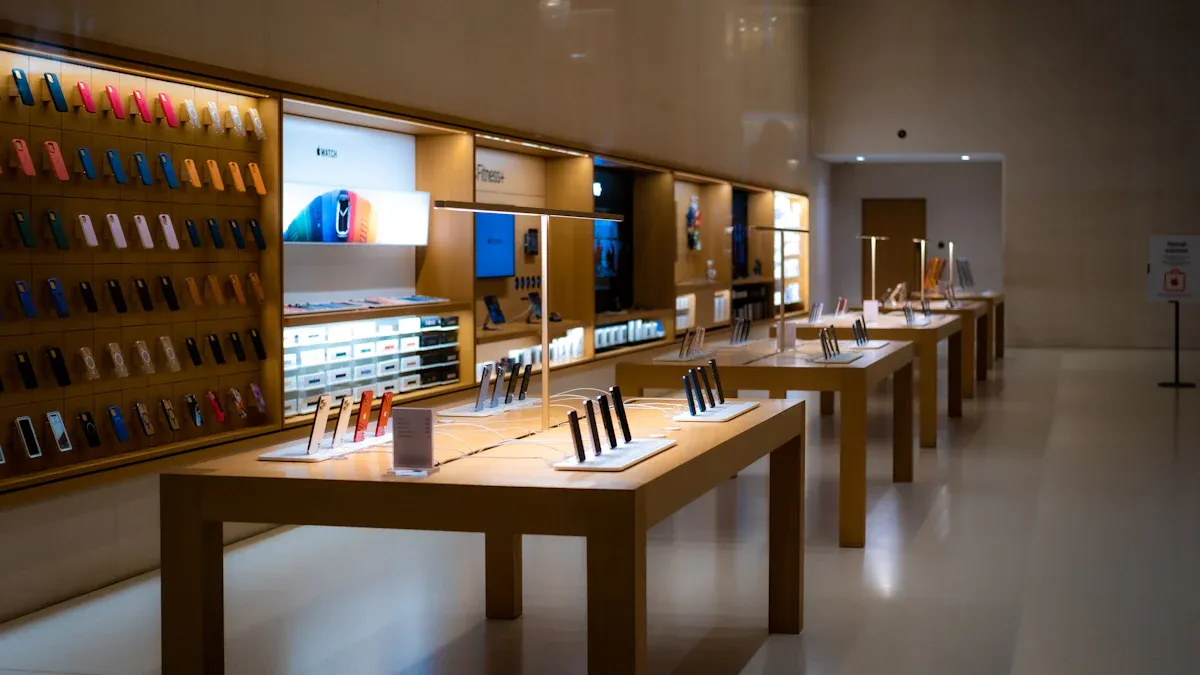
The best electronic shelf labels are not one-size-fits-all. You must select a solution that aligns with your specific retail environment. The needs of a supermarket differ greatly from those of a fashion boutique. When you choose digital price tags, consider how their features will enhance your unique customer experience and operational workflow.
Grocery and Supermarkets
Grocery stores manage thousands of products with frequent price changes. Your top priorities are efficiency, accuracy, and the ability to run effective promotions. Multi-color digital shelf labels are ideal for this setting.
- They create a colorful, lively space for promotions and product details.
- You can display rich content like allergen information or sustainability scores, which helps customers make informed decisions.
- The high readability of E-Paper esl displays works well under bright store lights, ensuring clarity.
These digital shelf labels eliminate the costs and delays of printed signs. You can deploy store-wide updates instantly, guaranteeing pricing accuracy and boosting operational efficiency. The right esl system transforms your shelves into a dynamic digital asset.
Fashion and Boutiques
In fashion, aesthetics are everything. Your digital shelf labels must complement your brand's high-end image. Look for small, lightweight esl tags with customizable designs that attach discreetly to garments. These digital price tags offer significant benefits beyond just pricing.
A customer scans a QR code on an esl tag attached to a jacket. They instantly see a video of it styled three different ways and learn only one is left in their size. This information turns a browser into a buyer.
You can use the digital space on each esl tag to tell your brand's story, highlight sustainable materials, or provide garment care instructions. This digital interaction enriches the customer journey.
Electronics and Hardware Stores
Customers in electronics and hardware stores crave detailed information. Your digital shelf labels can bridge the gap between the physical shelf and the vast data available online. Integrating QR codes and NFC technology into your electronic shelf labels empowers shoppers. They can access detailed product specifications, comparisons, and reviews with a simple tap or scan. This digital feature provides real-time updates and gives customers the confidence to make a purchase. An esl system provides the data-rich experience modern consumers expect.
Comparing Providers and Total Cost of Ownership
Choosing a provider for your digital price tag solutions requires looking beyond the initial price tag. You must evaluate the total cost of ownership (TCO). This long-term view includes hardware, software, support, and future scalability. A comprehensive comparison ensures you find a partner, not just a vendor.
Upfront Hardware and Software Costs
The initial hardware cost for your digital shelf labels will be a significant part of your budget. Individual esl tag prices vary based on size and features. The average cost typically ranges from $6 to $10 per unit, but can be as low as $5 for a small 2.9-inch tag or over $20 for larger, feature-rich models.
You also need to clarify the software cost structure. Some providers bundle software into the initial purchase. Others use a subscription model with monthly or annual fees, often based on the number of digital shelf labels or store locations.
Note: Always ask for a detailed cost breakdown. This helps you compare offers accurately and avoid hidden fees that can inflate your total investment.
Installation and Training Support
A smooth deployment depends on the provider’s support. Professional installation prevents technical issues down the line. Effective training is just as important. Your team must be comfortable using the system to manage the digital esl network. A platform's user-friendliness combined with quality training ensures your staff can handle daily operations and updates with confidence. A strong support package minimizes downtime and maximizes your return on investment.
Scalability and Future-Proofing
Your chosen system must grow with your business. Consider if the esl infrastructure can easily scale to new stores or a larger number of digital shelf labels without major reinvestment.
Future-proofing your investment is critical for long-term cost savings. The best electronic shelf labels are evolving into digital IoT nodes. Look for providers whose roadmaps include integration with AI for dynamic pricing and computer vision for inventory validation. This ensures your digital price tags remain a valuable retail asset, ready for future technological updates.
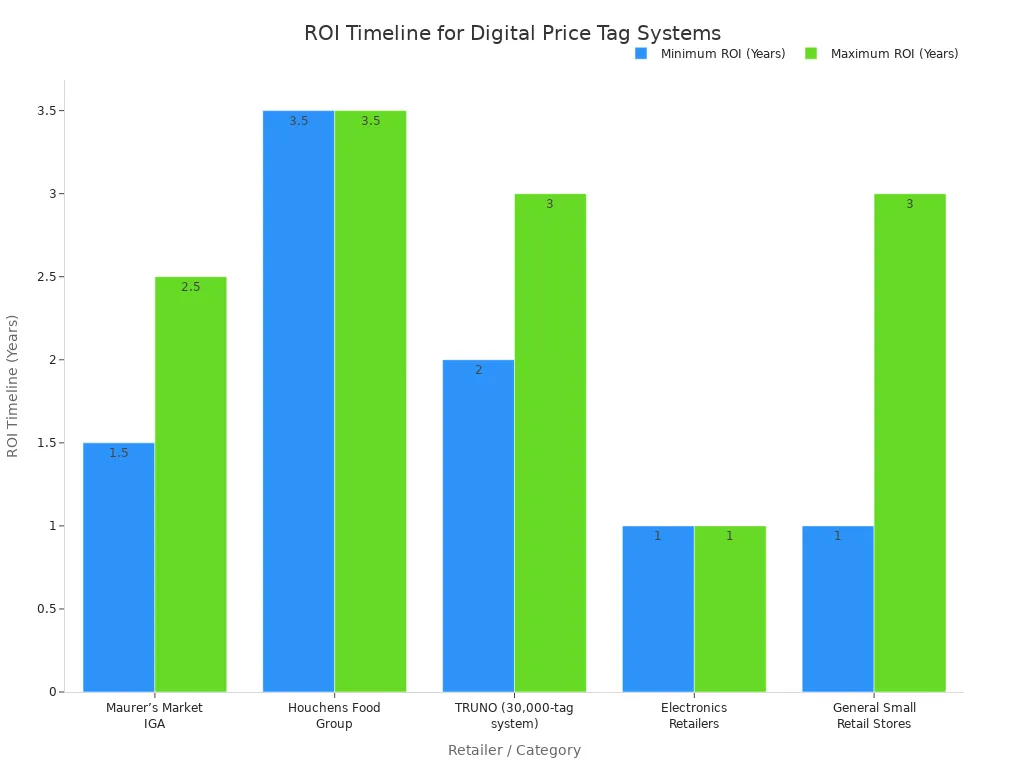
You can now choose digital price tags by balancing technology, software, and long-term cost. Adopting the right digital price tag solutions provides significant competitive benefits, including improved accuracy and labor efficiency. Most retailers see a return on their esl investment within 12 to 36 months.
Use this guide to evaluate vendors for your digital shelf labels. The right esl system and digital shelf labels will give your business a powerful digital advantage.
FAQ
What is the typical ROI for digital price tags?
You can typically expect a return on your investment within 12 to 36 months. This ROI comes from improved pricing accuracy, reduced labor costs, and enhanced operational efficiency. Your specific timeline will depend on your store's scale and operations.
How often do I need to change the batteries?
E-Paper digital price tags offer excellent battery life. You can expect them to last between 5 and 10 years, even with several updates per day. This longevity significantly minimizes maintenance requirements and associated labor costs for your team.
Can I use different types of digital tags in one store?
Yes, you can mix and match different tag sizes and types within a single system. You might use large, multi-color tags for promotions in the produce section and smaller, discreet tags for individual items in a boutique setting.
How difficult is the installation process?
Installation complexity varies. Many providers offer professional installation services to ensure a smooth deployment. A well-planned installation prevents technical issues and helps your team get up to speed quickly. You should discuss support options with your chosen vendor.